Tooth loss becomes more common with age, but the right solution depends on more than just replacing a missing tooth. Seniors often have different considerations than younger adults, including bone density, dexterity, and overall health.
At Indian Trail Dental Studio, we help patients evaluate tooth replacement for seniors based on comfort, longevity, and ease of maintenance, not just appearance.
Why Tooth Replacement Matters More in Senior Years
Tooth loss can affect chewing ability, speech clarity, and jawbone stability. Replacing missing teeth helps maintain facial structure and nutritional health. According to the CDC, approximately 1 in 5 adults aged 65 and older have lost all of their natural teeth. Tooth replacement plays a critical role in restoring function and quality of life.
Without replacement, seniors may experience:
- Difficulty chewing nutritious foods
- Shifting of remaining teeth
- Bone loss in the jaw
- Changes in facial appearance
- Reduced confidence
Addressing tooth loss early supports long-term oral stability. Treatment selection should align with both health and lifestyle factors.
Factors That Influence Tooth Replacement for Seniors
Not every tooth replacement option suits every patient. Senior dental care requires careful assessment beyond the missing tooth itself.
Key considerations include:
- Bone quality and density
- Existing bone loss
- Gum health
- Manual dexterity for cleaning
- Medical conditions affecting healing
- Budget and long-term maintenance
Bone support often determines whether a dental implant is feasible. Dexterity affects how easily patients can manage removable appliances. Choosing the right solution requires personalized evaluation. A one-size-fits-all approach rarely works for seniors.
Comparing Tooth Replacement Options for Seniors
Each option offers advantages and limitations. Understanding the pros and cons helps seniors make informed decisions.
Dental Implants
Dental implants replace the tooth root and support a fixed crown. They are often considered the most stable long-term solution.
Pros:
- Strong and durable
- Prevent jawbone loss
- Do not rely on neighboring teeth
- Feel natural when chewing
Considerations:
- Require sufficient bone support
- May involve surgery
- Healing time is required
For seniors with adequate bone density, implants offer reliable function. Careful evaluation ensures predictable outcomes.
Dental Bridges
A dental bridge anchors a replacement tooth to adjacent teeth. It does not require surgical placement.
Pros:
- No surgical procedure
- Faster completion than implants
- Fixed in place
Considerations:
- Requires reshaping adjacent teeth
- Does not prevent bone loss beneath a missing tooth
- May need replacement over time
Bridges can be effective when implants are not ideal. Longevity depends on the surrounding tooth health.
Partial Dentures & Full Dentures
Dentures replace multiple missing teeth and are removable. They are often selected when several teeth are missing.
Pros:
- Lower initial cost
- Non-surgical option
- Replace multiple teeth at once
Considerations:
- Require removal for cleaning
- May shift during chewing
- Do not prevent bone loss
For seniors with limited bone support or multiple missing teeth, dentures remain a practical solution. Comfort and fit are critical for success.
How Bone Loss Affects Treatment Choices
Bone naturally begins to shrink after a tooth is lost. Over time, this reduction in volume and density can limit certain tooth replacement options, particularly dental implants. For seniors, bone quality is one of the most important factors in determining long-term success.
When bone loss is present, treatment planning may include:
- Bone grafting to rebuild lost structure
- Implant-supported dentures for added stability
- Selecting bridges or removable options when surgery is not ideal
- Adjusting implant size or placement location
Dental implants rely on sufficient bone to anchor securely. If bone support is inadequate, immediate placement may not be predictable without additional procedures.
Choosing the Right Solution at Indian Trail Dental Studio
Selecting the best tooth replacement for seniors involves more than comparing appliances. It requires evaluating bone health, daily function, comfort preferences, and long-term maintenance needs.
At Indian Trail Dental Studio, we personalize every recommendation based on a comprehensive assessment of:
- Bone density and structural support
- Gum health and existing restorations
- Manual dexterity for cleaning and appliance care
- Medical history that may affect healing
- Budget and long-term durability goals
Personalized treatment planning ensures seniors receive options they can manage confidently. We take time to explain the pros and limitations of each option so you can make an informed decision. Our goal is to recommend a solution that restores function while remaining manageable and predictable for years to come. Learn more about our restorative dental services and the various tooth replacement options we offer.
Find the Right Tooth Replacement Solution for Your Next Chapter
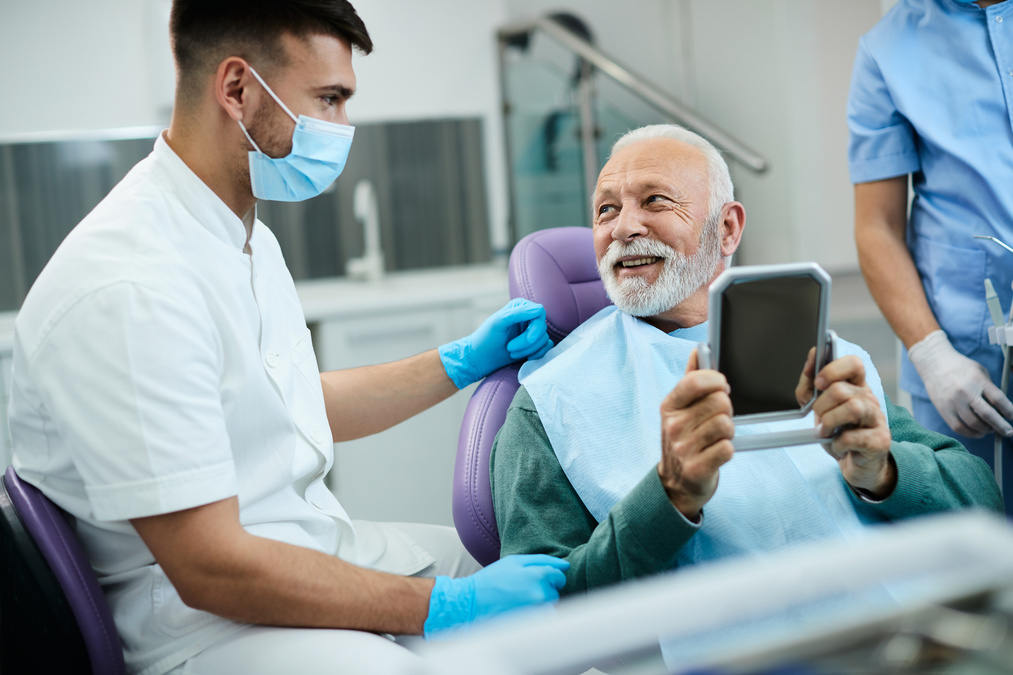
The ideal tooth replacement for seniors should be a positive journey that combines comfort, stability, and oral health. Whether you are considering implants, bridges, or dentures, each option should provide comfort and ease in daily life. Most importantly, your choice should be based on your oral health, dexterity, and future goals, to ensure a happy, fulfilling smile.
If you are exploring tooth replacement for seniors, the best first step is a professional evaluation. Different solutions suit different health profiles and lifestyle needs. Contact Indian Trail Dental Studio today to discuss implants, bridges, or dentures. We will help you choose a treatment plan designed to restore function, comfort, and confidence.