Jaw pain can be frustrating and difficult to pinpoint. Many patients assume the discomfort is caused by a dental issue, but the underlying problem may involve the jaw joint, muscles, or bite alignment.
At Indian Trail Dental Studio, we help patients identify the true cause of jaw pain from TMJ or bruxism through careful examination and digital diagnostics. Understanding the difference between these conditions allows us to recommend treatments that reduce discomfort and protect long-term dental health.
Understanding Jaw Pain from TMJ Disorders
The temporomandibular joint (TMJ) connects the lower jaw to the skull and allows the jaw to move when speaking, chewing, and yawning. When this joint becomes irritated or misaligned, patients may experience pain or restricted movement.
According to the National Institute of Dental and Craniofacial Research, TMJ disorders affect an estimated 11 to 12 million adults in the United States and can involve the jaw joint, surrounding muscles, or both
TMJ disorders can produce a wide range of symptoms that may develop gradually or suddenly. Recognizing early warning signs allows dentists to begin evaluation and treatment before symptoms worsen.
Common Symptoms of TMJ Disorder
Symptoms of TMJ disorder can vary depending on whether the problem involves the joint itself or the surrounding muscles.
Patients may experience:
- Jaw pain or tenderness
- Clicking or popping sounds in the jaw
- Difficulty opening or closing the mouth
- Headaches near the temples
- Ear pain or facial soreness
Because these symptoms overlap with other conditions, proper diagnosis is important before beginning treatment. Accurate evaluation helps determine whether the pain originates from the joint, muscles, or bite alignment.
What Is Bruxism (Teeth Grinding)?
Bruxism refers to the involuntary grinding or clenching of the teeth, which often occurs during sleep. Over time, repeated grinding can strain the jaw muscles and damage teeth. Many patients are unaware they grind their teeth until symptoms begin to appear.
Common signs of bruxism include:
- Worn or flattened teeth
- Tooth sensitivity
- Jaw muscle soreness
- Morning headaches
- Jaw tightness upon waking
Bruxism can place significant pressure on the jaw muscles, which may lead to pain similar to TMJ symptoms. Because the symptoms overlap, dentists must carefully evaluate each patient to determine whether jaw clicking while chewing points to joint dysfunction or simple muscle fatigue.
TMJ Disorder vs. Bruxism: Key Differences
Although TMJ disorders and bruxism both cause jaw discomfort, they involve different underlying mechanisms. Identifying the correct condition helps guide treatment decisions.
TMJ disorders typically involve:
- Joint inflammation or misalignment
- Clicking or popping sounds in the jaw
- Restricted jaw movement
Bruxism generally involves:
- Repetitive teeth grinding
- Muscle fatigue and soreness
- Tooth wear or enamel damage
In some cases, bruxism may contribute to TMJ symptoms by placing excessive stress on the jaw joint. Because these conditions can influence each other, dentists evaluate both the joint and bite patterns when diagnosing jaw pain.
How We Diagnose the Cause of Jaw Pain
Proper diagnosis begins with a comprehensive dental evaluation. At Indian Trail Dental Studio, we combine patient history, clinical examination, and digital imaging to understand the cause of jaw discomfort.
During an evaluation, we typically assess:
- Jaw movement and joint function
- Muscle tenderness in the face and jaw
- Bite alignment and tooth wear patterns
- Patient symptoms and medical history
This information helps determine whether the primary issue involves the jaw joint, muscles, or grinding habits. A thorough evaluation ensures treatment focuses on the true source of the discomfort.
Using Digital Scans to Evaluate Bite and Jaw Function
Digital technology helps dentists analyze how the teeth and jaw interact during movement. Tools such as the iTero scanner allow us to capture precise digital models of the teeth and bite.
These scans help identify:
- Uneven bite pressure
- Tooth wear patterns caused by grinding
- Changes in tooth position
- Areas of stress affecting the jaw joint
By evaluating the bite in detail, dentists can identify patterns that contribute to jaw pain from TMJ or bruxism. Digital scanning also helps monitor changes in bite alignment during treatment.
When 3D Imaging Adds Diagnostic Value
For some patients, two-dimensional dental X-rays don’t capture the full picture of the jaw joint. Cone Beam Computed Tomography (CBCT) imaging provides a three-dimensional view of the jaw, joint structures, and surrounding bone, giving dentists insight into structural causes of TMJ pain that traditional X-rays cannot reveal.
CBCT scans can help identify:
- Joint condyle position and shape
- Bone density changes around the TMJ
- Structural abnormalities affecting joint movement
- Signs of joint degeneration over time
At Indian Trail Dental Studio, we use CBCT imaging when patient symptoms suggest a structural component to the jaw discomfort. This level of detail helps confirm whether treatment should focus on bite adjustment, muscle therapy, or further evaluation of the joint itself.
Can TMJ Disorders and Bruxism Be Treated Together?
It is possible for patients to experience both TMJ disorder and bruxism at the same time. When this occurs, treatment focuses on reducing pressure on the jaw while addressing the grinding habit.
Common treatment approaches may include:
- Custom night guards to protect teeth
- Bite adjustments when needed
- Exercises to reduce muscle tension
- Monitoring jaw joint health over time
Treating both conditions simultaneously can help relieve symptoms and prevent long-term dental damage. A personalized plan that explores non-surgical treatment options, including therapies tailored to your specific needs, is the most effective approach.
Why Patients Choose Indian Trail Dental Studio for TMJ Evaluation
At Indian Trail Dental Studio, we focus on identifying the underlying cause of teeth grinding and jaw discomfort rather than simply treating symptoms. Our diagnostic approach combines patient history, digital imaging, and bite analysis to guide treatment decisions.
Patients trust our team because we provide:
- CBCT 3D imaging and iTero digital scanning for comprehensive bite and joint analysis.
- Evaluation of occlusion and TMJ-related disorders.
- Personalized TMJD treatment planning tailored to TMJ, bruxism, or combined symptoms.
- Long-term monitoring of jaw health and treatment outcomes.
Understanding whether jaw pain is caused by TMJ disorder, bruxism, or both helps ensure effective care. Our goal is to help patients regain comfort while protecting their long-term dental health.
Find the Cause of Your Jaw Pain
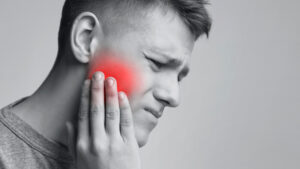
Persistent jaw discomfort should not be ignored. Identifying whether the problem involves TMJ disorder or teeth grinding allows dentists to provide targeted treatment that addresses the root cause.
At Indian Trail Dental Studio, we evaluate jaw pain from TMJ and bruxism using modern diagnostic tools and personalized assessments. If you are experiencing jaw soreness, headaches, or grinding symptoms, contact Indian Trail Dental Studio today to schedule an evaluation and explore treatment options.