Important: This content is informational and not a substitute for professional diagnosis. Persistent jaw pain, locking, or worsening symptoms require proper evaluation. If you experience severe jaw pain, locking, or sudden changes in function, seek prompt dental or medical evaluation.
Jaw pain, clicking, headaches, and facial tension can disrupt daily life. Many patients worry that TMJ symptoms automatically mean surgery is inevitable. In reality, most cases can be managed without invasive procedures. At Indian Trail Dental Studio, we focus on conservative, non-surgical dental care designed to relieve discomfort and address the underlying cause of TMJ dysfunction.
Temporomandibular Joint (TMJ) Disorders Overview
The temporomandibular joint connects your jaw to your skull and allows you to speak, chew, and move your mouth comfortably. When this joint or the surrounding muscles become irritated or misaligned, TMJ disorders can develop.
TMJ conditions vary in severity and cause. Early recognition improves management and reduces long-term discomfort.
Common Symptoms of TMJ Disorders
TMJ symptoms can appear gradually or suddenly. Many patients do not initially connect jaw discomfort to headaches or facial tension.
Common symptoms include:
- Jaw pain or tenderness
- Clicking, popping, or grinding sounds
- Limited jaw movement or locking
- Frequent headaches
- Ear pain without infection
- Facial muscle soreness
Symptoms may fluctuate depending on stress and jaw use. Persistent discomfort should not be ignored.
Causes and Risk Factors
TMJ disorders rarely stem from a single cause. Most cases involve a combination of muscular tension, bite imbalance, and behavioral habits.
Common contributing factors include teeth grinding or clenching, stress-related muscle tension, bite misalignment, and jaw injury or trauma. In some cases, underlying conditions such as arthritis affecting the joint or even poor posture can also place added strain on the jaw, increasing the likelihood of discomfort or dysfunction over time. Identifying risk factors helps guide treatment planning. Addressing only surface symptoms may not provide lasting relief.
When to See a Doctor
Occasional jaw clicking without pain may not require intervention. However, persistent pain or restricted movement warrants evaluation.
You should seek care if:
- Pain lasts more than a few days
- Jaw movement becomes limited
- Headaches increase in frequency
- Ear pressure or facial pain continues
- Symptoms interfere with sleep or daily activity
Early evaluation prevents worsening inflammation. Timely care supports conservative treatment success.
Can TMJ Be Treated Without Surgery?
Yes, in many cases, TMJ can be treated without surgery. Conservative therapy is often the first and most effective step. According to the National Institute of Dental and Craniofacial Research, temporomandibular disorders affect approximately 5–12% of the population. Most cases respond well to non-invasive treatment.
Surgery is typically reserved for severe structural damage or cases that do not improve with conservative care. For many patients, properly guided therapy reduces inflammation and muscle tension effectively. Non-surgical approaches focus on restoring balance rather than altering anatomy. That distinction is important when setting expectations.
How We Identify the Root Cause of TMJ Symptoms
TMJ pain can affect muscles, joints, bite alignment, or related structures. Accurate diagnosis often requires looking beyond the jaw alone. In some cases, it takes insights from various specialists, such as a healthcare provider, a dentist, or an ear, nose, and throat (ENT) specialist, to pinpoint the exact issue.
At Indian Trail Dental Studio, our assessment may include
- Bite and occlusion evaluation
- Muscle tension analysis
- Joint movement tracking
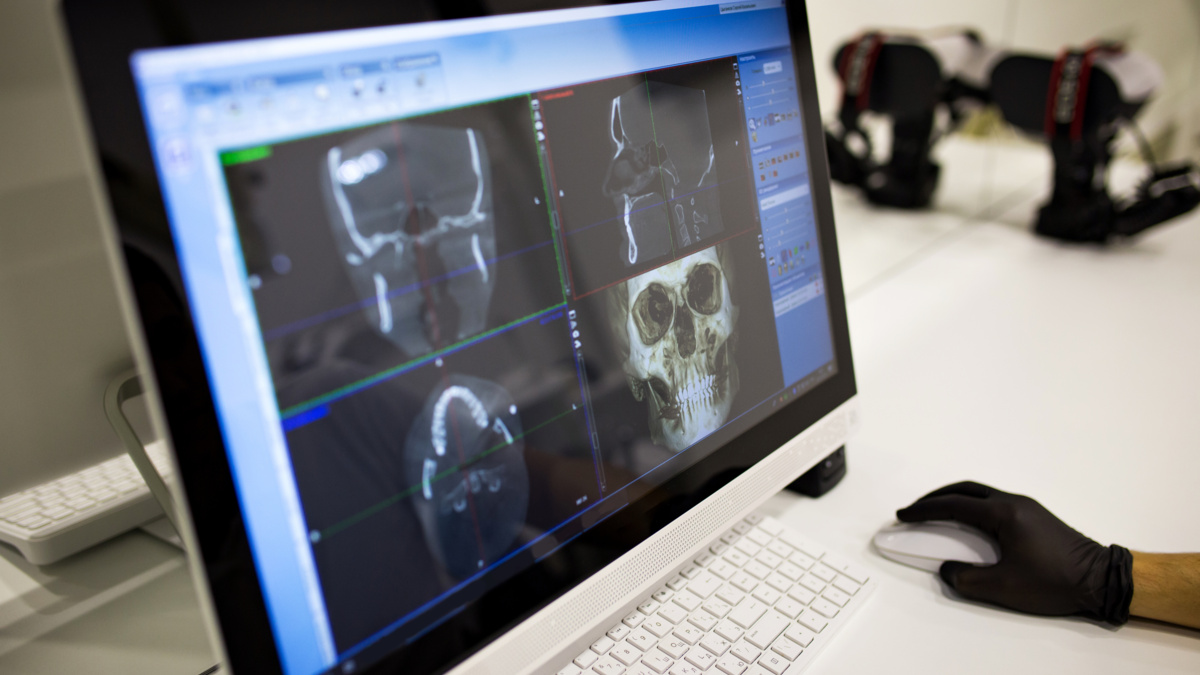
- 3D joint imaging when indicated
- Review of lifestyle and stress factors
A comprehensive approach improves clarity and treatment accuracy. Identifying the true source of symptoms reduces unnecessary intervention.
Non-Surgical TMJ Treatment Options
Conservative TMJ therapy is individualized. Treatment selection depends on severity, muscle involvement, and functional patterns and focuses on reducing inflammation and restoring balance without invasive procedures.
Night Guard Therapy
Night guard therapy is one of the most common first-line treatments for TMJ relief. Custom night guards reduce pressure on the temporomandibular joint during sleep. They help prevent grinding and minimize joint compression.
Benefits of night guard therapy include:
- Reduced muscle tension
- Protection against tooth wear
- Improved jaw positioning
- Decreased morning soreness
Consistency is essential for measurable improvement. Proper fit ensures optimal effectiveness.
Muscle & Habit Assessment
Many TMJ symptoms are linked to repetitive habits. Identifying these behaviors supports long-term relief.
We assess daily patterns that may include:
- Daytime clenching
- Forward head posture
- Jaw resting position
- Sleep-related grinding
- Stress-related muscle tension
Small adjustments can reduce joint strain significantly. Habit correction often complements appliance therapy.
Targeted Exercises & Supportive Care
Structured exercises can improve jaw mobility and muscle coordination. These movements are designed to restore balance without strain.
Supportive care may include:
- Gentle stretching routines
- Controlled jaw strengthening
- Heat or cold therapy recommendations
- Inflammation management strategies
Exercises must be tailored carefully. Improper movement can aggravate symptoms rather than relieve them.
Lifestyle Changes and Home Remedies
At-home strategies can complement in-office care and support oral health and overall wellness. While they are not a substitute for a professional diagnosis, these adjustments can help reduce daily irritation and improve comfort.
Simple approaches such as choosing softer foods during flare-ups, limiting excessive chewing, managing stress, maintaining proper posture, and applying moist heat to relax muscles can make a meaningful difference. When practiced consistently, these habits reinforce professional treatment and contribute to more stable, long-term results.
What Results Can Patients Expect?
TMJ therapy is typically progressive rather than immediate. Most patients experience improvement over time rather than overnight relief. Patients can often expect:
- Reduced jaw tension
- Fewer headaches
- Decreased clicking or popping
- Improved range of motion
- Better sleep comfort
Long-term management may involve periodic adjustments. Setting realistic expectations is crucial for overall satisfaction, especially during symptom fluctuations. In cases of acute flare-ups, our emergency dental services can provide timely support while ongoing therapy addresses the underlying condition.
Why Choose Indian Trail Dental Studio for TMJ Relief?
TMJ management requires more than a single appliance. It involves diagnosis, customization, and monitoring.
At Indian Trail Dental Studio, we use detailed evaluation methods and tailored non-surgical dental care to address TMJ dysfunction safely. Our approach prioritizes muscle balance, joint health, and long-term comfort. Learn more about our TMJD treatment options. Personalized care improves predictability. Ongoing monitoring ensures adjustments are made when needed.
Find TMJ Relief Without Surgery in Indian Trail, NC
If you’re wondering whether TMJ can be treated without surgery, the answer is often yes. The key is proper evaluation and a customized conservative treatment plan. Contact Indian Trail Dental Studio today to schedule a TMJ assessment. We will determine the underlying cause of your symptoms and recommend non-surgical options designed to restore comfort and function safely.