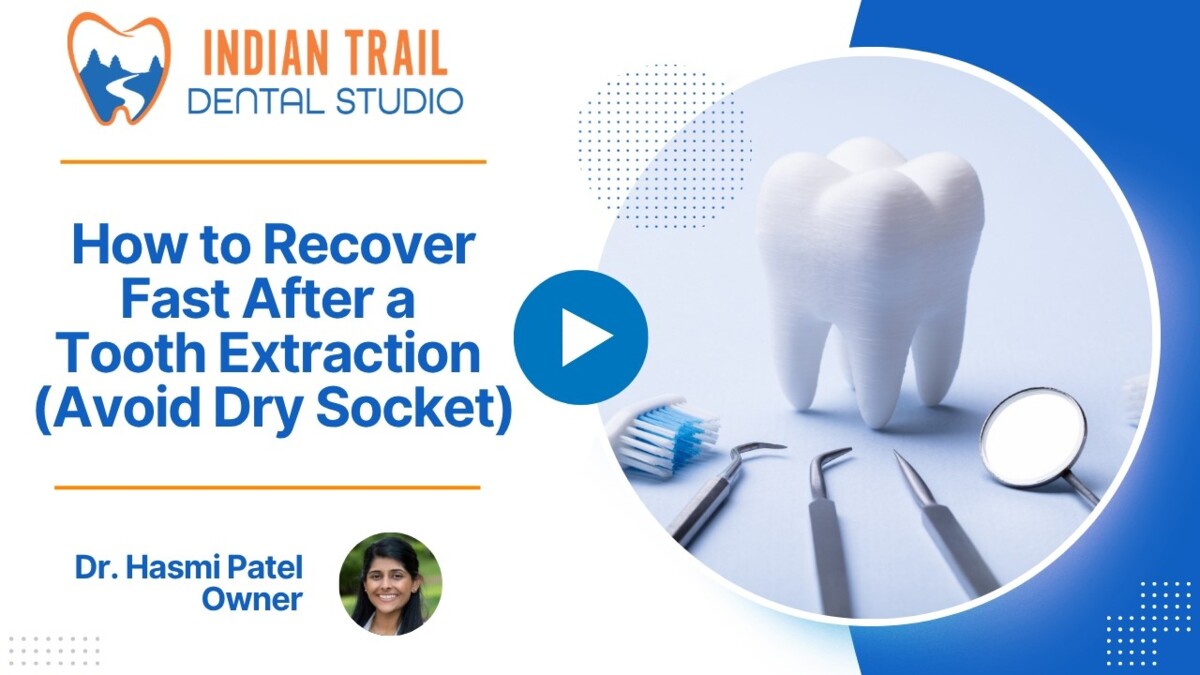
The best way to recover smoothly after a tooth extraction is to protect the blood clot that forms in the empty socket. That clot covers the underlying bone and nerves as the area begins healing, so disturbing it can increase the risk of tooth extraction or dry socket and delay your recovery.
Follow your dentist’s instructions rather than trying to speed up healing with aggressive rinsing, cleaning, or activity. Recovery varies according to the tooth removed, the complexity of the procedure, your health, and whether the extraction involved surgery or bone grafting.
How Tooth Extraction Dry Socket Happens
A dislodged blood clot can expose the bone and nerves inside an extraction site, causing significant pain and slowing normal healing. Protecting that clot is one of the most important parts of early recovery.
Dry Socket Feels Different From Normal Soreness
Some discomfort, swelling, and minor bleeding or oozing can occur after an extraction. Those symptoms should generally become more manageable as the area begins to heal, although the pattern and duration depend on the procedure.
Dry socket more often causes pain that becomes stronger after initially improving. It may appear several days after treatment and can occur with an unpleasant taste or bad breath. Contact us immediately rather than assuming worsening pain is a normal part of recovery.
Spitting and Suction Can Disturb the Clot
Forceful spitting, vigorous rinsing, drinking through a straw, and repeatedly touching the socket can create pressure or movement around the healing area. That disturbance may loosen the clot before the tissues underneath have had enough time to recover.
Swallow normally instead of spitting forcefully, and do not probe the extraction site with your tongue, fingers, toothbrush, or another object. Follow the specific restrictions from your dentist because instructions can differ based on the type of extraction and how the socket was managed.
Steps That May Help Prevent Dry Socket After Tooth Extraction
Protecting the socket does not require a complicated routine. It requires avoiding unnecessary disturbance and following the eating, medication, activity, and oral-care instructions provided after your procedure.
- Bite on gauze for the length of time directed by your dental team.
- Avoid forceful spitting, vigorous rinsing, and drinking through straws.
- Do not smoke, vape, or use tobacco during the restricted period.
- Choose soft foods and chew away from the extraction site.
- Avoid hard, crunchy, sticky, spicy, or very hot foods when directed.
- Do not touch or probe the socket.
- Take medications only as instructed.
- Limit strenuous exercise, bending, and heavy lifting as directed.
- Resume brushing and rinsing according to your personalized instructions.
These habits may help you prevent dry socket after tooth extraction, but they cannot guarantee that a complication will not occur. Call the office when symptoms do not follow the recovery pattern your dentist described.
Choose Foods That Do Not Disturb the Site
Soft, cool, or lukewarm foods are usually easier to manage during early recovery. Options may include yogurt, applesauce, mashed vegetables, eggs, oatmeal that has cooled, soup served at a safe temperature, or other foods approved by your dentist.
Chew on the opposite side and avoid foods that can break into sharp pieces or become trapped in the socket. At Indian Trail Dental Studio, we generally recommend soft, cool foods and avoiding straws after teeth extractions, but your individual instructions should take priority.
Clean Carefully Without Ignoring Oral Hygiene
Avoiding the socket does not mean neglecting the rest of your mouth. Brush the other teeth gently and keep plaque under control without dragging the toothbrush across the healing area.
Do not begin forceful rinsing or use a homemade rinse unless your dental team tells you when and how to do so. The timing may depend on whether you had stitches, grafting, a surgical extraction, or another procedure completed at the same visit.
What to Expect During the First Few Days
Mild to moderate soreness, swelling, jaw stiffness, and light bleeding may occur after an extraction. Swelling can become more noticeable during the first couple of days before it begins to settle, especially after a surgical procedure. Rest, medication used as directed, and suitable foods can make this period easier to manage.
Recovery after a simple extraction may differ from standard tooth extraction aftercare, while wisdom teeth recovery often involves more swelling, soreness, and activity limits. The instructions provided for your specific procedure should remain the final reference.
Signs You Should Call the Dental Office
Contact your dental team when pain, bleeding, swelling, or other symptoms become more severe rather than gradually improving. Prompt guidance can help determine whether you need reassurance, an adjustment to your aftercare, or an in-person evaluation.
Call for advice if you develop:
- Pain that worsens after initially improving
- Severe, throbbing, or radiating pain
- Persistent bleeding that does not respond to the provided instructions
- Increasing facial or gum swelling
- Fever, pus, or other signs of infection
- Bad taste or odor accompanied by worsening pain
- Difficulty taking fluids or prescribed medication
- A rash or other possible medication reaction
- Trouble swallowing or breathing
Trouble breathing or swallowing requires urgent medical attention. We also offer emergency dental services for problems requiring prompt evaluation.
Special Circumstances Require Personalized Instructions
Pregnancy, diabetes, immune conditions, tobacco use, blood-thinning medication, complex surgical removal, grafting, and other health factors may change how an extraction is planned or how healing is monitored. Tell the dental team about your health history, prescriptions, supplements, and any previous problems with dental healing before the procedure.
Do not stop aspirin, anticoagulants, or any other prescribed medication without guidance from the dentist and prescribing clinician. The safety and timing of tooth extraction during pregnancy depend on the urgency of treatment, stage of pregnancy, health history, and precautions recommended by the dental and medical teams.
Prepare for the Extraction Before Recovery Begins
A dental exam helps determine whether extraction is necessary, whether the tooth could be treated another way, and what type of procedure may be required. Waiting too long to address a severely damaged or infected tooth can lead to worsening pain, spreading infection, or fewer treatment options.
The risks of delaying a necessary extraction depend on the tooth’s condition, the presence of infection, and how much healthy structure remains. Planning ahead also gives you time to arrange suitable foods, transportation when required, prescribed medications, and rest after the procedure.
Protect Your Recovery With Indian Trail Dental Studio
A smoother recovery starts with protecting the blood clot, avoiding suction and unnecessary contact, eating foods that will not disturb the site, and following your personalized cleaning and medication instructions. Normal soreness should generally move toward improvement, while worsening pain, persistent bleeding, increasing swelling, or other concerning symptoms deserve a call.
Indian Trail Dental Studio evaluates whether extraction is appropriate, explains what to expect, and provides aftercare guidance based on the procedure and your health. Schedule a dental exam with our Indian Trail, NC team, or contact us after treatment when you have concerns about healing or tooth extraction dry socket.