Porcelain veneers are designed to improve the appearance of your smile by correcting discoloration, minor misalignment, and worn enamel. While veneers are durable, their longevity depends heavily on how well they are maintained.
At Indian Trail Dental Studio, we guide patients on how to maintain their veneers so they remain attractive and functional for many years. With proper care habits, protective measures, and regular dental visits, veneers can stay beautiful and stable long after treatment.
Why Proper Veneer Care Matters
Porcelain veneers are designed to be durable, but like natural teeth, they require consistent care to maintain their appearance and structural integrity. Daily habits and preventive care help shield veneers from damage and discoloration. Clinical reviews report long-term success rates for porcelain veneers: roughly 95% remain functional at 10 years when proper oral hygiene and maintenance are followed.
This means patients who follow recommended care practices are more likely to enjoy long-lasting cosmetic results. Understanding how to care for veneers properly helps prevent chips, staining, or premature replacement.
Daily Habits That Help Maintain Your Veneers
Understanding the lifespan of your porcelain veneers makes daily oral hygiene an important way to protect your investment and the natural teeth supporting them. Veneers themselves do not decay, but the underlying tooth structure still requires proper care.
Key habits that help maintain your veneers include:
- Brushing twice daily with a non-abrasive toothpaste
- Flossing regularly to protect gum health
- Using a soft-bristle toothbrush
- Rinsing with an alcohol-free mouthwash
- Avoiding aggressive brushing that may damage the veneer edges
Consistent oral hygiene helps maintain both the veneers and the surrounding teeth and gums. Healthy gums and enamel support the long-term stability of cosmetic dental restorations.
Foods and Drinks to Be Careful With
Although porcelain veneers are resistant to staining, certain foods and habits may still affect their appearance or structural integrity over time.
Patients with veneers should be cautious with:
- Hard foods such as ice or hard candies
- Sticky foods that can place stress on veneers
- Dark beverages like coffee, tea, and red wine
- Acidic foods that may weaken the surrounding enamel
Moderation is key when consuming foods that could potentially affect veneers. Being mindful of dietary habits helps preserve the natural appearance of cosmetic dental work.
Avoid Using Veneers as Tools
One of the most common causes of veneer damage is using teeth for tasks they were never meant to perform. Veneers are strong, but they are not built to withstand excessive pressure.
Patients should avoid:
- Opening packages with their teeth
- Biting fingernails or pens
- Chewing on hard objects such as nuts
- Cracking ice
These habits can cause chips or fractures over time. Sparing veneers from unnecessary stress helps extend their lifespan, a key factor when weighing the pros and cons of veneers.
Night Guards and Protecting Your Veneers
Some patients grind or clench their teeth while sleeping, a condition known as bruxism. Grinding places significant pressure on both natural teeth and veneers. To guard against this, dentists may recommend a custom night guard, which creates a cushioning barrier that reduces stress on the teeth during sleep.
Night guards are particularly helpful for patients who:
- Grind their teeth at night
- Experience jaw tension or TMJ symptoms
- Have recently received veneers
This simple appliance can help prevent premature wear or fractures, and it often plays a key role in long-term veneer care.
Monitoring Veneer Health During Routine Checkups
Regular dental visits allow dentists to evaluate whether patients continue to meet the eligibility criteria for dental veneers and to ensure the restorations remain stable. Even small changes in bite alignment or minor chips should be addressed early before larger issues develop.
During routine exams, dentists may check:
- Veneer edges for signs of wear
- Gum health around the veneers
- Bite alignment and pressure points
- Early signs of cracks or discoloration
Professional monitoring helps ensure veneers continue functioning properly, and these visits also provide an opportunity for cleanings that keep your smile bright.
Signs a Veneer May Need Attention
Although veneers are designed to last many years, occasional repairs or replacement may eventually be necessary. Recognizing early warning signs allows dentists to address problems before they worsen.
Signs that a veneer may require evaluation include:
- A rough or chipped edge
- Discoloration near the veneer margin
- New Sensitivity in the underlying tooth
- A noticeable change in how your bite feels
If any of these occur, schedule a dental evaluation promptly. Early care helps protect the surrounding tooth structure and preserve your cosmetic results.
Veneer Care at Indian Trail Dental Studio
At Indian Trail Dental Studio, we help patients protect their investment in cosmetic dentistry with clear guidance on long-term veneer maintenance. During routine exams, our team:
- Evaluates bite alignment, gum health, and restoration integrity
- Identifies potential issues early
- Offers personalized recommendations for daily care, including protective solutions like night guards when needed.
Ongoing care and professional monitoring help keep veneers natural-looking and functional, protecting both the restoration and the underlying teeth.
Protect Your Veneers for Long-Term Results
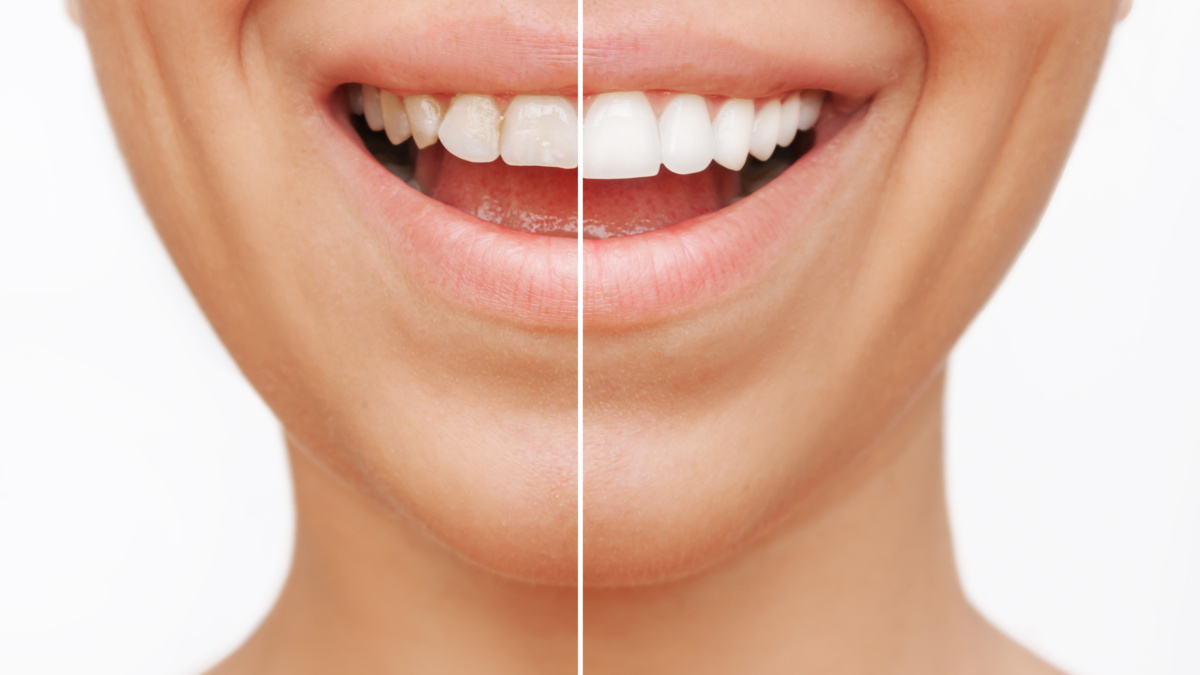
Porcelain veneers can deliver long-lasting cosmetic improvements when supported by good oral hygiene and thoughtful daily habits.
If you have veneers or are considering cosmetic dental treatment, contact Indian Trail Dental Studio today to schedule a consultation and learn how to protect your smile for years to come. With proper care, your results can last well over a decade (though individual outcomes vary).