If one tooth hurts when you bite, the cause may be a high filling or crown, a cracked tooth, tooth decay, inflammation around the root, gum changes, or excess pressure from your bite. The symptoms can feel similar across several conditions, so the location and timing of the pain do not always reveal the exact problem.
Pain that happens only occasionally still deserves attention, especially if it keeps returning. An exam can help identify whether the discomfort comes from the tooth structure, dental work, pulp, gums, root area, or the way your teeth meet.
Common Reasons a Tooth Hurts When You Bite
The American Association of Endodontists identifies several possible causes. Sharp pain during biting can come from decay, a loose filling, or a cracked tooth. A recent filling or crown may also sit slightly high, causing one tooth to absorb more pressure than the surrounding teeth.
Possible causes include:
- A filling or crown that contacts before the surrounding teeth
- A crack or fractured portion of the tooth
- Tooth decay beneath or beside a restoration
- Inflammation or infection inside the tooth or near its root
- Gum inflammation or loss of support around the tooth
- Clenching, grinding, or uneven bite pressure
Because these problems require different treatments, it is better to have the tooth tested than to assume the pain will resolve on its own.
A Recent Filling or Crown May Be Too High
After a filling or crown, the treated tooth may feel sore when biting if the restoration contacts first. Each time you close your mouth, that tooth absorbs more pressure than the surrounding teeth, which can irritate the tissues around its root.
The pattern of tooth pain after a filling can help distinguish brief post-treatment sensitivity from discomfort caused by a high bite, deeper inflammation, or another issue that needs evaluation.
A Cracked Tooth Can Cause Intermittent Pain
A cracked tooth may hurt during chewing, when pressure is released, or only when you bite in a particular direction. Symptoms can come and go because the crack may move slightly under pressure and irritate the inner tissues.
Cracks do not always appear clearly on a standard X-ray, so diagnosis may require several tests. Early evaluation matters because a smaller crack may leave more treatment options than a tooth that has fractured further.
Decay or Infection Can Increase Pressure Sensitivity
Decay can weaken the tooth and irritate the pulp as it moves deeper. If inflammation reaches the tissues around the root, biting pressure may make the tooth feel tender, raised, or difficult to chew on.
A root abscess is one possible cause, but biting pain alone does not confirm an infection. Swelling, drainage, fever, a gum bump, or worsening spontaneous pain can increase concern and should prompt faster evaluation.
One Tooth Versus Several Teeth Changes the Evaluation
Pain isolated to one tooth may direct the exam toward a specific filling, crown, crack, cavity, root problem, or damaged area of enamel. Details such as whether the pain occurs during pressure, after pressure is released, or with hot and cold temperatures can help narrow the possibilities.
Discomfort across several teeth or one entire side may suggest a broader bite issue, grinding, clenching, gum inflammation, or changes in how the teeth align. Patients may have difficulty identifying the exact source because pain can also feel as though it is coming from a nearby tooth.
Warning Signs That Need Prompt Dental Care
Schedule an evaluation soon when biting pain is persistent, recurring, or strong enough that you avoid chewing on one side. Early diagnosis may preserve more treatment options and reduce the chance that a damaged tooth breaks further.
Seek prompt or urgent care for:
- Swelling in the gums, face, or jaw
- Severe or rapidly worsening pain
- Fever, drainage, or a pimple-like bump on the gum
- A broken tooth or lost filling or crown
- Pain that prevents you from chewing normally
- Symptoms that begin after an injury
- Difficulty swallowing or breathing
We provide emergency dental services for urgent concerns and offer same-day emergency appointments when availability allows. Symptoms such as swelling, severe pain, trauma, or a broken tooth are among the warning signs that need urgent dental care.
How We Diagnose Pain When You Bite
A diagnosis usually requires more than looking at the tooth. At Indian Trail Dental Studio, we begin by asking when the pain started, whether you recently had dental work, what type of pressure triggers it, and whether you also notice temperature sensitivity, swelling, or spontaneous pain.
Clinical and Bite Tests
During a dental exam, we can inspect the tooth, surrounding gums, restorations, and bite contacts. We may tap on the tooth, check for movement, examine the gum pockets, or use a small bite instrument to see whether pressure on a specific cusp reproduces the discomfort.
The pattern of pain can provide useful clues. A tooth that hurts when pressure is released may behave differently from one that feels tender whenever the teeth come together.
Cold Testing and Dental X-Rays
A cold test can help assess how the pulp inside the tooth responds, while dental X-rays may reveal decay, bone changes, concerns beneath a restoration, or changes around the root. No single test answers every question, so the dentist interprets the results together with your symptoms and clinical findings.
When X-rays are appropriate, AI-assisted cavity detection can highlight areas that may require closer review. The technology supports the dentist’s evaluation but does not replace a diagnosis or guarantee that every crack will appear on an image.
What to Do Until Your Appointment
Avoid chewing hard, crunchy, or sticky foods on the affected side, and choose softer foods that place less pressure on the tooth. Continue gentle brushing and interdental cleaning unless the area is too painful, and note which foods or movements trigger the discomfort.
Short-term tooth pain relief at home may help you stay more comfortable until the appointment, but it cannot adjust a high crown, repair a crack, remove decay, or treat an infection.
Pinpoint the Cause With Indian Trail Dental Studio
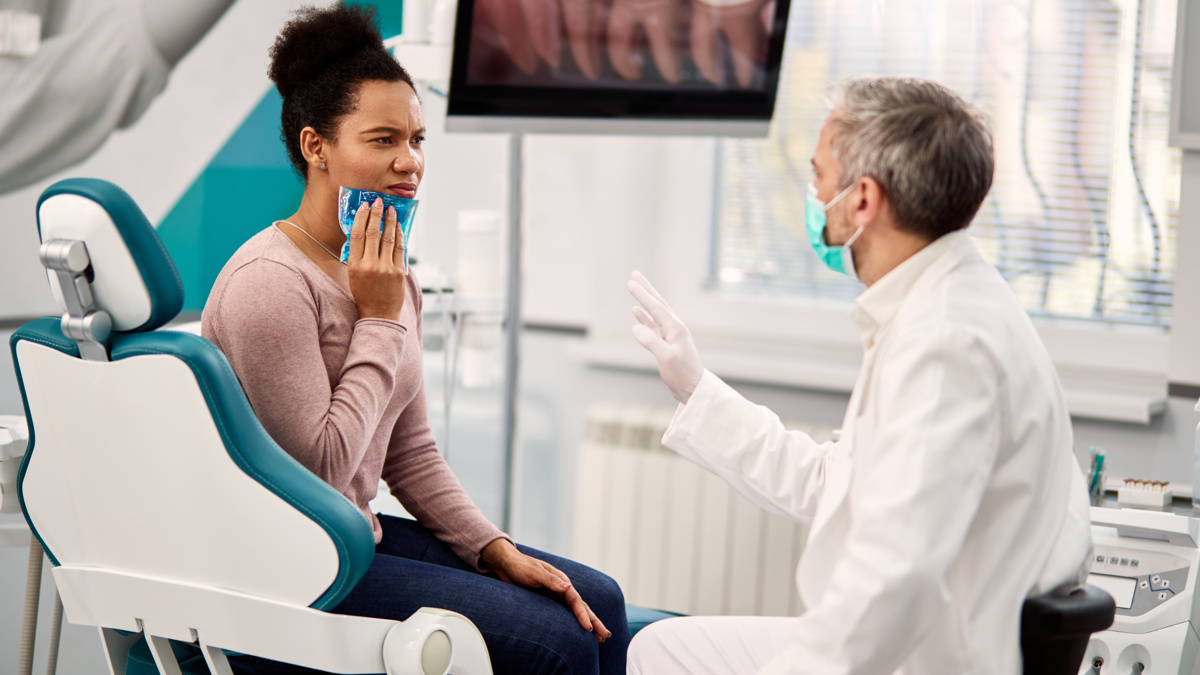
Biting pain can come from the restoration, tooth structure, pulp, root tissues, gums, or the way your teeth meet. The same symptom may require a simple bite adjustment in one patient and more involved treatment in another, which is why diagnosing the source matters before choosing a solution.
At Indian Trail Dental Studio, we use clinical exams, bite testing, cold testing, targeted X-rays, and AI-assisted image review to determine what is causing your discomfort and discuss the appropriate next step. Schedule an appointment with our Indian Trail, NC team if a tooth hurts when you bite.