The foods you eat can affect your teeth long after a meal ends. Certain tooth-friendly foods provide calcium, phosphorus, and other nutrients involved in maintaining strong teeth, while other dietary choices expose enamel to more acid and sugar.
Food alone cannot rebuild enamel after a cavity forms. However, smart food choices can support the natural remineralization process that helps enamel recover from early mineral loss. Knowing the difference makes it easier to build a diet that supports your teeth without treating any single food as a cure for decay.
How Tooth-Friendly Foods Support Enamel Health
Tooth enamel continually moves through periods of mineral loss and mineral replacement. Because enamel is largely composed of calcium-phosphate crystals, foods that provide calcium, phosphorus, and other nutrients can support the conditions teeth need to remain strong.
Saliva also plays an important role. It helps neutralize acids and supplies minerals that can return to the enamel after early mineral loss. Fluoride from toothpaste or professional treatments further supports this process.
Can Food Rebuild Lost Enamel?
Not in the sense of growing new enamel. Early mineral loss can sometimes be reversed through remineralization, but a cavity represents permanent structural damage that requires dental treatment.
Food cannot rebuild enamel after decay has created a physical hole in the tooth. The belief that certain foods can reverse an established cavity is one of several misconceptions about tooth decay. Nutrition works best alongside fluoride toothpaste, thorough plaque removal, and professional preventive care.
7 Tooth-Friendly Foods Support More Than Enamel
No individual food guarantees healthy teeth. A better approach is to choose foods that supply useful nutrients, limit frequent sugar exposure, and fit into a balanced diet. Dairy products, leafy vegetables, nuts, eggs, fish, and other nutrient-dense foods can contribute to strong teeth while also supporting bones, muscles, and other body systems. Many fibrous foods also encourage chewing and saliva flow, which may help clear food particles and neutralize acids.
Calcium-Rich Dairy Foods
1. Cheese
Cheese provides calcium and phosphorus, two minerals associated with healthy teeth. It is also relatively low in sugar compared with many sweet snacks. Eating cheese as part of a meal can be a more enamel-friendly choice than repeatedly reaching for sticky or sugary foods between meals.
2. Plain Yogurt
Plain yogurt supplies calcium and protein without the added sugars found in wide-flavored varieties. Check the nutrition label because products marketed as yogurt can differ substantially in added sugar content.
3. Milk
Milk is another practical calcium source and tends to be less acidic than beverages such as soda, sports drinks, and many fruit juices. Plain milk is the better dental choice compared with flavored varieties that contain added sugars.
Nutrient-Dense Foods With Little Added Sugar
4. Leafy Greens
Vegetables such as kale and spinach provide calcium along with other vitamins and minerals. They also allow you to add nutrient-dense foods to meals without increasing exposure to added sugars.
5. Almonds
Almonds provide calcium and phosphorus and contain little naturally occurring sugar. Choose plain varieties when possible, since candied nuts or products coated with honey and other sweeteners change the equation for your teeth.
6. Eggs
Eggs supply phosphorus and protein and can fit easily into meals without exposing teeth to added sugar. They are useful as part of an overall nutrient-rich eating pattern rather than as a standalone solution for enamel.
These benefits reflect the broader relationship between oral health and whole-body wellness. A balanced diet supports the mouth, but it does not replace brushing, cleaning between the teeth, or regular dental evaluations.
Foods That Help Get Saliva Moving
7. Crunchy Raw Vegetables
Carrots, celery, and similar raw vegetables require more chewing than many processed snacks. Chewing stimulates saliva, which helps clear food particles and neutralize acids in the mouth. Crunchy vegetables should not be described as foods that “scrub teeth clean,” however. They do not replace brushing, flossing, or a professional cleaning.
Start Preventive Habits Early
Children benefit from tooth-friendly meals, limited exposure to sugary drinks, age-appropriate fluoride use, and help with brushing until they can clean every surface effectively. Early routines can influence how comfortable and consistent oral care feels as they grow.
The recommended timing of a child’s first dental appointment allows us to monitor tooth development and discuss feeding habits, fluoride, brushing technique, and individual cavity risk with parents.
Healthy Foods Can Still Be Hard on Enamel
“Healthy” and “tooth-friendly” do not always mean the same thing. A food can offer nutritional benefits while still creating conditions that increase enamel erosion or cavity risk.
- Acidic foods are a good example: Citrus fruits can be part of a nutritious diet, but frequent acid exposure can contribute to enamel erosion. Fruit juice creates an additional concern because it can combine acidity with readily available sugars.
- Dried fruit presents a different issue: Removing water concentrates its sugars, and some varieties can cling to tooth surfaces longer than fresh fruit. Sweetened yogurt, flavored milk, smoothies, and granola products can likewise contain significantly more sugar than their unsweetened counterparts.
You do not necessarily need to eliminate these foods. Instead, consider how often your teeth are exposed. Having an acidic or sugary item with a meal generally creates fewer separate exposure periods than sipping or snacking on it repeatedly throughout the day.
Water is also a simple choice after eating. It can help rinse away food particles and acids without adding another source of sugar.
Gum Health May Change the Maintenance Plan
Foods rich in protein, vitamins, and minerals can support general tissue health, but diet alone cannot remove tartar or treat periodontal disease. Patients with a history of gum disease often require closer monitoring and more extensive cleaning than patients receiving routine preventive care.
At Indian Trail Dental Studio, our professional dental cleanings remove plaque and tartar from areas that daily brushing and flossing may miss. A comprehensive dental exam also gives us an opportunity to evaluate your teeth and gums for signs of decay and other oral health concerns.
When X-rays are appropriate, we can also use AI-assisted dental imaging to highlight areas that may need closer attention. Our dentist reviews the images and makes the diagnosis; the technology serves as an additional visual tool rather than replacing clinical judgment.
The purpose of periodontal maintenance appointments is to disrupt bacterial buildup above and below the gumline after periodontal treatment. The recommended interval depends on pocket depths, inflammation, home care, disease history, and the dental team’s findings.
Build Healthier Habits With Indian Trail Dental Studio
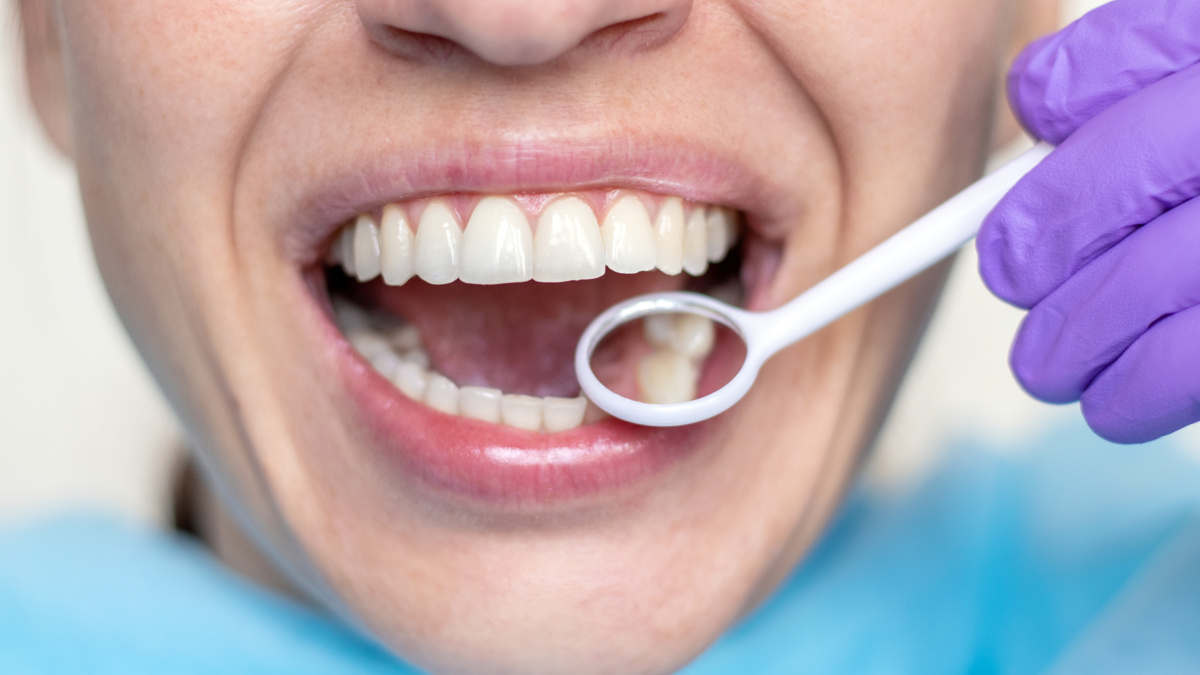
Choosing more cheese, plain yogurt, leafy greens, almonds, eggs, milk, and crunchy vegetables can support a diet that is friendlier to your teeth. The bigger picture matters even more: limit frequent sugar and acid exposure, brush with fluoride toothpaste, clean between your teeth, and give developing problems a chance to be identified early.
We combine preventive care with clear explanations so you understand what is happening in your mouth and what your next steps should be. Contact Indian Trail Dental Studio today to schedule your next exam and cleaning with us to make tooth-friendly foods one part of a complete plan for protecting your enamel and maintaining healthy teeth.