
A deep cleaning in Monroe, NC is how we treat gum disease once it has spread below the gumline. Indian Trail Dental Studio is about 15 minutes from most of Monroe, and our hygienists clear infected pockets with scaling and root planing while the area is numbed. We’ll show you exactly what we found before treatment begins, and we’ll stay with you through healing and the maintenance visits that keep gum disease in check.
4.9 ⭐ on Google with 500+ reviews · Emergency & same-day care · All ages welcome
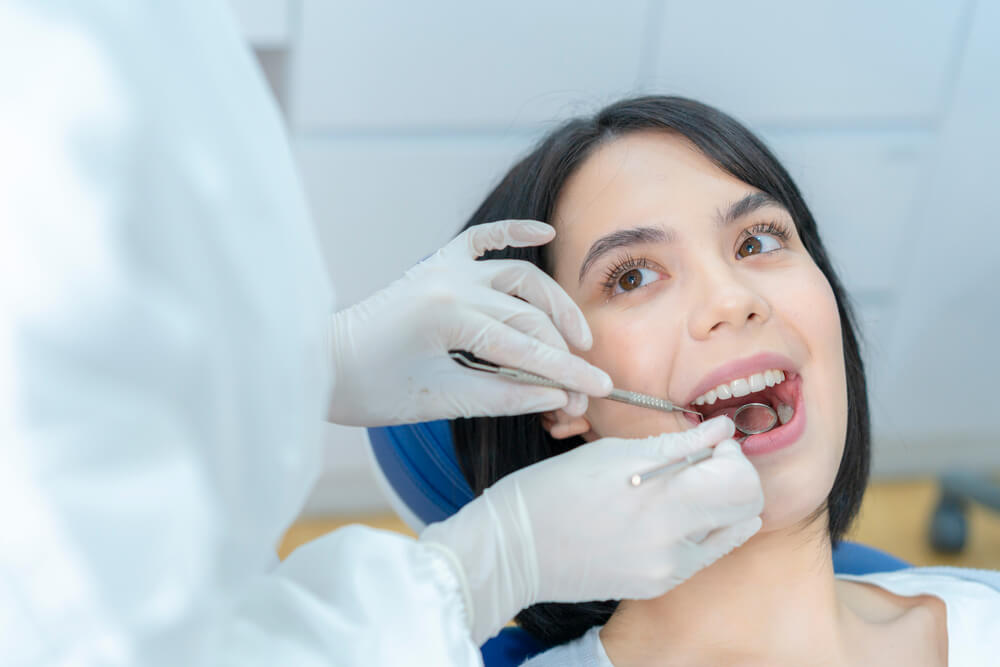
Regular dental visits aren’t always easy to keep up with here. Union County has about one dentist for every 3,400 residents, roughly twice as many people per dentist as the state average, according to County Health Rankings data cited in a regional community health needs assessment. In Union County’s 2022 community health survey, reported in the same assessment, about 36% of adult respondents said they don’t see a dentist on a regular basis.
That gap matters for your gums. Early gum disease is usually painless, so without regular exams, it can move below the gumline before anyone notices. By the time gums bleed often or teeth start to feel loose, a routine cleaning is no longer enough. If that’s where you are, a deep cleaning is the right next step, and there’s no judgment here about how long it’s been.

500+ Verified Reviews
★★★★★
My experience at Indian Trail Dental Studio was a very professional and friendly experience with very helpful information
– Sandi J.
★★★★★
It’s a lovely office with the latest diagnostic equipment. The staff was professional, kind and friendly and the dental cleaning exam was thorough and gentle. I highly recommend!!
– Daryl Anne S.
★★★★★
Such a great experience! As I had a horrible experience prior to finding this dentist office, Dr. Patel went above and beyond! The care and attention was wonderful in every way and I can’t say enough great things about this office and also the hygienist Grace! Thank you again!
– Jordan D.
Both remove buildup, but they work at different depths. These three questions usually point the way, and a quick exam confirms it.
If your answers point to healthy gums, our routine cleanings for Monroe patients keep them that way with Guided Biofilm Therapy, a comfortable approach that clears plaque with a warm spray before any scaling.
Most of our scaling and root planing treatments take two treatment visits plus a follow-up. Here’s what each stage involves and what you can expect to feel.
| Stage | What we do | What you’ll notice |
|---|---|---|
| Evaluation | Measure every pocket, check for bleeding, and review AI-assisted X-rays that highlight bone loss and tartar | No discomfort, and a clear picture of what’s going on |
| First treatment visit | Numb the area, then use ultrasonic and hand instruments to clear tartar and bacteria from the pockets and smooth the root surfaces | Some pressure during treatment, then mild tenderness for a few days |
| Second treatment visit | Treat the remaining areas, adding desiccation therapy or a local antibiotic where a pocket needs extra help | The same comfortable routine as your first visit |
| Follow-up | Re-measure your pockets and set your maintenance schedule | Gums that bleed less and feel firmer as they heal |
Scaling and root planing does most of the work, but certain pockets cling to bacteria and tartar more stubbornly than the rest. That’s where desiccation therapy for stubborn pockets can help. Using HYBENX, an in-office solution, your hygienist dries out the bacterial film on your teeth and gums so it breaks down and loosens. After a thorough rinse, the loosened film and the tartar beneath it come away more easily during your deep cleaning.
It’s a care option rather than a standard step, and it never replaces scaling and root planing. We may recommend it for tartar that’s especially hard to remove, deeper pockets that need a more complete cleanout, or spots that keep bleeding at your maintenance visits. Before suggesting it, we check your health history and allergies, because a sulfur sensitivity means it isn’t a fit, and we take extra care with pregnant patients and around dental implants.
The first few days after treatment may bring some tenderness, and that’s normal. Over the following weeks, your gums typically become firmer and bleed less as the infection clears. Gentle brushing twice a day and daily cleaning between your teeth make a real difference during this stretch.
Gum disease can be managed, but it doesn’t disappear for good. The bacteria behind it can slowly rebuild in treated pockets, which is why most patients move to maintenance visits every 3 to 4 months after a deep cleaning. These visits focus on the areas we treated, checking pocket depths and clearing new buildup below the gumline before it causes problems.
Your schedule isn’t fixed. If your gums stay stable, we’ll talk about adjusting it, and if a spot isn’t settling, we’ll address it early. It’s all part of our periodontal therapy program, built around how your gums respond over time.
Choosing where to treat gum disease is a bigger decision than picking a place for a routine cleaning. Here’s what Monroe patients get with us.
Treating gum disease is a process, and we’ll guide you through each part of it.
If your last dental visit was longer ago than you’d like, or your gums have been bleeding more than usual, now is a good time to get them checked. We’ll take your measurements, explain what they mean, and lay out your options with no pressure to decide on the spot. You can book online, or call 704-839-2434 and talk with our team.
Watch for gums that bleed more often, look like they’re pulling back from your teeth, or feel sore, along with bad breath that won’t go away or teeth that feel loose. Any of these is worth a call, even if you’re between visits.
Many plans include some coverage, though it’s often handled differently from routine cleanings. We’ll verify your benefits ahead of time, and if you have out-of-pocket costs, you can explore ways to spread out the cost.
Most of what you feel is the deep cleaning itself, which is numbed. HYBENX stays on only briefly before it’s rinsed away, and some people notice a sour taste or a quick sting.
Tenderness usually fades within a few days. Most patients notice less bleeding and firmer gums over the following weeks, and your follow-up visit confirms how well the pockets are healing.
Most patients are treated right here with scaling and root planing and regular maintenance. If your gum disease is advanced or doesn’t respond as expected, we’ll talk with you about a referral for additional care.
A deep cleaning is one part of periodontal therapy. The full plan also includes your evaluation, any added steps like desiccation therapy, and the maintenance visits that keep gum disease under control.