Holiday sweets and your teeth do not have to be at odds. When the cookies, chocolate, and seasonal favorites start showing up, you can enjoy them without treating every bite of sugar like a dental emergency.
What matters most is what you choose, how often you snack, and what you do afterward. A few simple habits, worth setting up before the season arrives, can reduce repeated sugar and acid exposure while still leaving room for the treats you look forward to.
Why Frequent Holiday Snacking Can Be Hard on Teeth
Each sugary snack gives plaque bacteria another chance to produce acids that pull minerals from enamel. Between exposures, saliva and fluoride can restore some of those minerals, but teeth have less time to recover when sweets and sweetened drinks are consumed continuously throughout the day.
This is why eating dessert with a meal is generally easier on the teeth than grazing on candy for several hours. The total amount of sugar matters, but the frequency and duration of exposure also influence cavity risk.
Have Sweets With a Meal When Possible
Dessert with lunch or dinner is generally a more practical choice than spreading sugary snacks across the entire day. Meals stimulate saliva, and keeping sweets to a defined eating period reduces the number of separate sugar exposures.
You do not need to avoid every holiday dessert for cavity protection. Focus instead on limiting the habit of keeping a candy bowl within reach and returning to it every few minutes.
Some Holiday Treats Are Tougher on Teeth Than Others
The type of sweet matters because some candies cling to tooth surfaces far longer than others. Sticky and chewy treats deserve particular attention.
Be Careful With Sticky and Chewy Candy
Gummies, caramels, taffy, and similar sweets can lodge in grooves or stick between teeth. Their prolonged contact makes it harder for saliva to clear the sugar quickly.
Hard candies can create another problem when you suck on them for an extended period because the teeth stay exposed to sugar longer. Biting down on very hard candy can also put unnecessary force on teeth and existing dental work.
Choose Treats That Clear the Mouth More Easily
By contrast, treats that are eaten promptly and clear the mouth quickly keep sugar in contact with enamel for less time. No dessert is completely harmless, so rather than hunting for one safe holiday treat, it helps to understand what actually causes cavities and focus on snack timing, plaque control, fluoride, and overall eating patterns.
Simple Holiday Dental Tips After Eating Sweets
What you do after a sugary snack can help reduce how long food debris and acids remain in your mouth. You do not need an elaborate routine each time you have dessert. Start with a few practical steps:
- Drink plain water after sweets or sugary drinks.
- Keep sugary snacks to meals or defined snack periods rather than continuous grazing.
- Brush twice a day with fluoride toothpaste.
- Clean between your teeth daily.
- Use mouthwash when it is part of the routine recommended for your individual dental needs.
Late nights, travel, parties, and changes in meal timing can interrupt routines that usually protect the teeth. Brushing with fluoride toothpaste, cleaning between the teeth, drinking water, and keeping scheduled dental visits remain important even when the calendar becomes crowded.
Consistent care supports more than cavity prevention. The connection between oral health and overall wellness reinforces why bleeding gums, infections, persistent pain, and other concerns should not be ignored during a busy season.
Adjust Holiday Foods After Dental Treatment
Patients recovering from an implant procedure, extraction, oral surgery, or another dental treatment may need to avoid foods that are hard, sticky, crunchy, or difficult to chew. Holiday meals should follow the instructions provided for the specific procedure rather than general advice intended for healthy teeth.
Certain foods can interfere with implant-site healing by placing pressure on tender tissues or leaving particles near the surgical area. Softer foods and chewing away from the treated site may be recommended until your dentist confirms that normal eating can resume.
Keep Your Normal Dental Routine Through the Holidays
When you travel, pack your usual dental supplies so late nights and schedule changes do not become reasons to skip brushing or flossing. Parents can help children stay on track even when bedtimes shift, and families often find family dental care easier when it is managed in one place. Regular cleanings and exams also catch plaque or tartar that home care can miss, and give your dental team a chance to spot areas that need attention.
Do You Need a Dental Cleaning After the Holidays?
You generally do not need an extra cleaning just because you enjoyed more sweets during the holidays. If you are due or overdue for preventive care, however, the post-holiday period can be a practical time to get back on schedule. As part of that routine care, our modern approach to dental cleaning can help remove plaque and tartar. During your visit, AI-assisted cavity detection can also help highlight areas on your dental X-rays that may need a closer look from your dentist.
The right timing for your next visit depends on your oral health and the schedule your dental team recommends, not simply on the end of the holiday season. And if an urgent problem arises, such as severe pain, swelling, or a broken tooth, emergency dental services are a better fit than routine post-holiday care.
Enjoy the Holidays Without Putting Dental Care on Pause
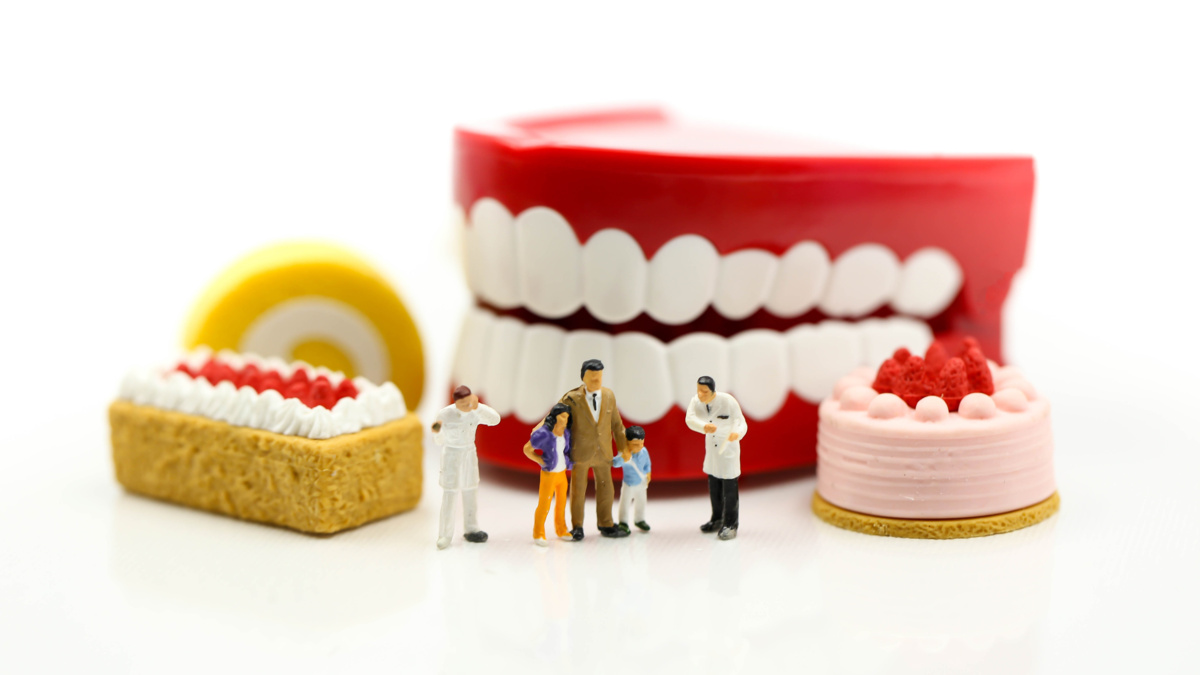
Holiday eating does not need to become a choice between enjoying yourself and protecting your smile. Choose treats that clear from your teeth more easily, avoid frequent grazing, drink water after sugary foods, and maintain the brushing and flossing habits that protect your teeth throughout the rest of the year.
If you are due for preventive care, we can evaluate your teeth, address plaque and tartar buildup, and look for early signs of problems before they become more difficult to manage. Contact Indian Trail Dental Studio today and enjoy holiday sweets and your teeth with a practical plan for both.