
A bright smile is something most people desire, which is why DIY teeth whitening trends continue to gain popularity online. From baking soda mixtures to drugstore whitening strips, patients often ask which methods are safe and which ones may harm their teeth.
Many families in Indian Trail want quick whitening options that fit their budget and daily routine. Our goal is to help you understand the difference between methods that work and those that risk damaging your enamel. With the right approach, you can whiten safely without long-term consequences. So, if you’re trying to brighten your smile at home, know what helps and what hurts.
What Are the Most Common DIY Whitening Methods?
Before trying whitening products at home, it’s important to understand how they work. Some can brighten your smile, but others cause enamel erosion, irritation, or uneven results.
Over-the-Counter Whitening Strips
Whitening strips are widely used and rely on low-concentration peroxide gel. They can improve mild stains over time. These strips can help surface stains, but misuse or overuse may cause sensitivity.
Baking Soda, Charcoal, and Other Home Remedies
Some people scrub with baking soda, activated charcoal, or lemon juice, believing these ingredients offer natural whitening benefits. However, research indicates that abrasive powders can wear away enamel, leading to long-term sensitivity. Most of these substances don’t whiten the tooth internally; they only scrub the surface, risking permanent enamel damage.
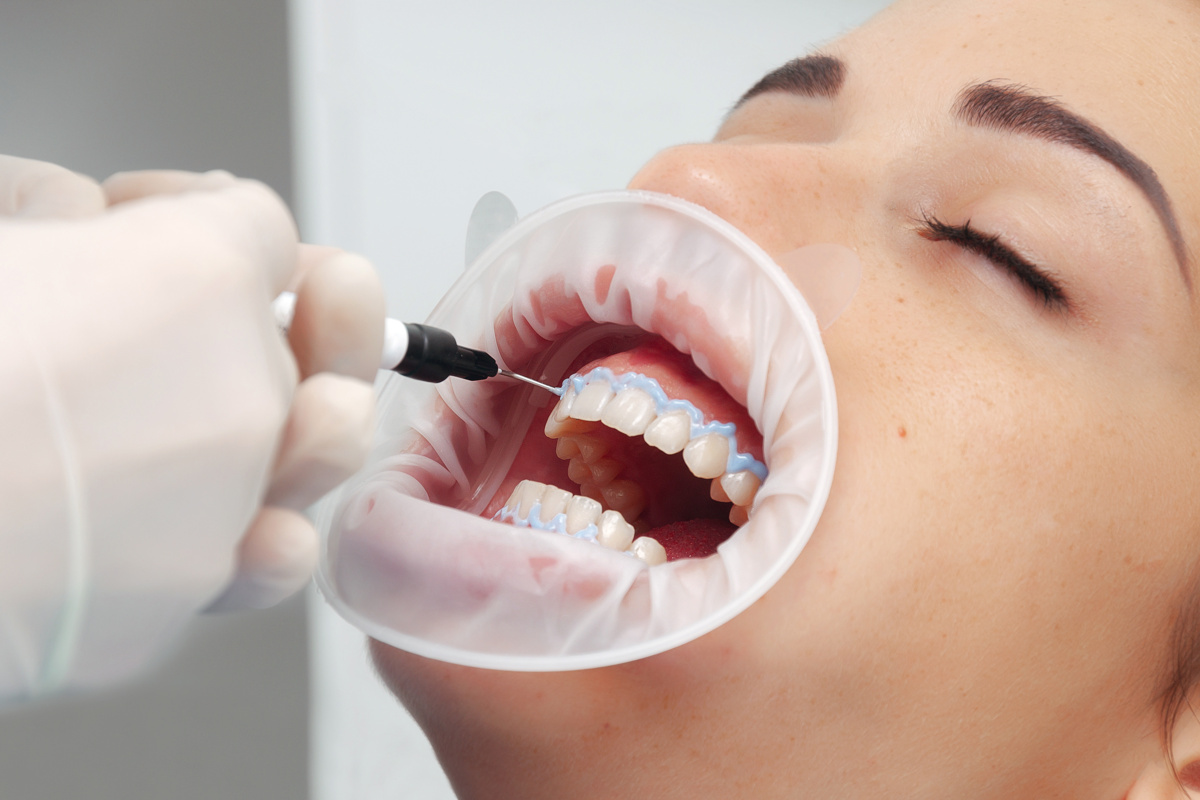
Whitening Pens
These can lighten surface stains temporarily but rarely produce significant or long-lasting results. Pens may be convenient, but should not replace safe, supervised whitening options.
What Actually Works for Whitening Your Teeth?
Not all whitening methods offer the same results. Some approaches safely brighten your smile, while others risk harming enamel or irritating gum tissue. The options below are proven to work when used properly and under the right conditions.
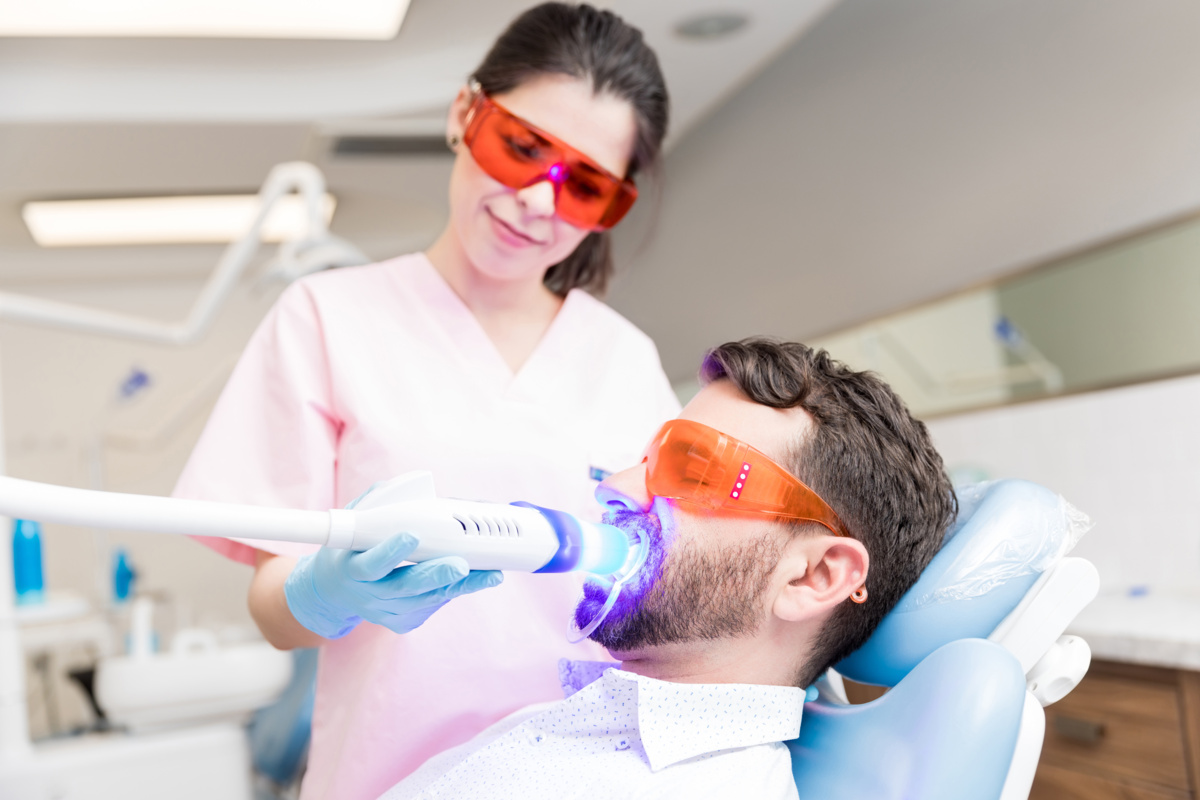
In-Office Whitening
Professional cosmetic teeth whitening treatments brighten teeth faster with stronger light-activated gels in a controlled setting. This option offers immediate results and protects your enamel and gums throughout treatment.
Custom Whitening Trays from Your Dentist
Unlike DIY kits, custom trays fit your teeth precisely so whitening gel stays where it belongs. Benefits include a reduced risk of gum irritation, even whitening, reduced sensitivity, and a stronger yet safe whitening gel. This is one of the safest and most affordable ways to achieve predictable, professional results.
Hydrogen Peroxide and Carbamide Peroxide (If Used Correctly)
Hydrogen peroxide and carbamide peroxide are the whitening agents used in both professional and at-home products. They can safely brighten teeth when handled properly, but problems often arise when people attempt to use these ingredients on their own without guidance. In other words, the problem lies not in the ingredient itself, but in how strong it is and how often it’s used.
According to a URMC publication, the risks of irritation or chemical burns increase with DIY whitening, especially for patients with gum recession, as peroxide can irritate exposed root surfaces, leading to sensitivity or discomfort. This is why oversight from a dental professional ensures the gel stays where it belongs and protects your gums and enamel from preventable damage.
What Can Go Wrong With DIY Whitening?
Many people assume whitening is harmless because it’s cosmetic, but improper whitening can lead to permanent damage.
- Enamel Erosion: Overusing whitening gels or abrasive scrubs weakens enamel. Research confirms that repeated exposure to strong bleaching agents can reduce enamel hardness
- Gum Irritation and Burns: Peroxide gels can leak onto gums, causing chemical burns. This is especially common with ill-fitting DIY trays.
- Tooth Sensitivity: DIY methods can expose dentin, leading to temperature sensitivity or pain during brushing.
- Uneven Whitening: Whitening strips or pens often miss curved or tight areas, leaving patchy or streaked results.
These risks highlight the importance of safe whitening practices and professional guidance.
DIY Teeth Whitening: What Works Safely?
Using DIY teeth whitening safely means knowing which products are safe and which ones should never be used without professional supervision. To whiten without harming enamel, follow these guidelines:
- Choose dentist-approved products
- Avoid abrasive scrubs
- Limit whitening frequency
- Address cavities or gum disease before whitening
- Use fluoride or remineralizing toothpaste to protect enamel
Want safe whitening without the risks? Let us help you whiten your teeth safely. If you’re considering whitening your teeth and want professional guidance (not DIY risks), contact a trusted dentist near you for a safe, effective dental evaluation and whitening plan.
How Indian Trail Dental Studio Can Help When DIY Whitening Isn’t Enough
We see the Limits of DIY. If stains come from medication, age, genetics, or internal tooth changes, no at-home remedy can correct the issue. Here’s what we evaluate during teeth whitening consultations. We check enamel health, gum condition, previous restorations, type and source of staining, and sensitivity levels.
This ensures your whitening treatment is both safe and effective. Whitening should never be one-size-fits-all. Personalized care gives the best results.
Get a Brighter Smile Safely With Indian Trail Dental Studio
Some DIY methods brighten teeth, but many can damage enamel or gums if not used properly. The safest whitening results come from professional evaluation and customized treatment. Protecting your enamel is essential to achieving a bright and healthy smile.
If you want safe, predictable whitening without the risks of DIY products, contact Indian Trail Dental Studio today. We use modern cosmetic technology, personalized whitening solutions, and careful guidance trusted by families in Indian Trail, NC.
FAQ About Teeth Whitening
1. Is DIY whitening safe?
It can be, but only when using dentist-approved products and avoiding abrasive scrubs or strong, unregulated gels.
2. How long do whitening results last?
Most results last several months, depending on diet, hygiene, and whitening method.
3. Can whitening damage enamel?
Yes, overuse of peroxide or abrasive agents can permanently weaken enamel.