
Kids don’t always tell us when they’re hurting. A simple bout of fussiness or refusal to eat may actually point to painful canker sores forming inside their mouth. These small ulcers are common, yet they can create noticeable discomfort that makes daily routines harder. Parents often feel unsure about what caused the sore or how to help without making things worse. Canker sores affect children and teens often, and knowing what triggers them, what to watch out for, and how to help matters can make all the difference.
At Indian Trail Dental Studio, we care for smiles of all ages. We support families through concerns like this with clear guidance, gentle care, and the reassurance that most canker sores resolve quickly with proper attention.
What Are Canker Sores?
Canker sores, also known as aphthous ulcers, are shallow, painful ulcers that appear on the soft tissues inside the mouth. Before diving into causes or treatment, it helps parents to understand what these sores look like and why they tend to bother kids so much.
If you’ve recently scheduled your child’s first dental visit, it’s an excellent opportunity to discuss canker sores and other everyday mouth irritations with your dentist. Doing so will help you learn how to spot early symptoms and keep your child’s oral health on track.
Understanding Canker Sores in Children
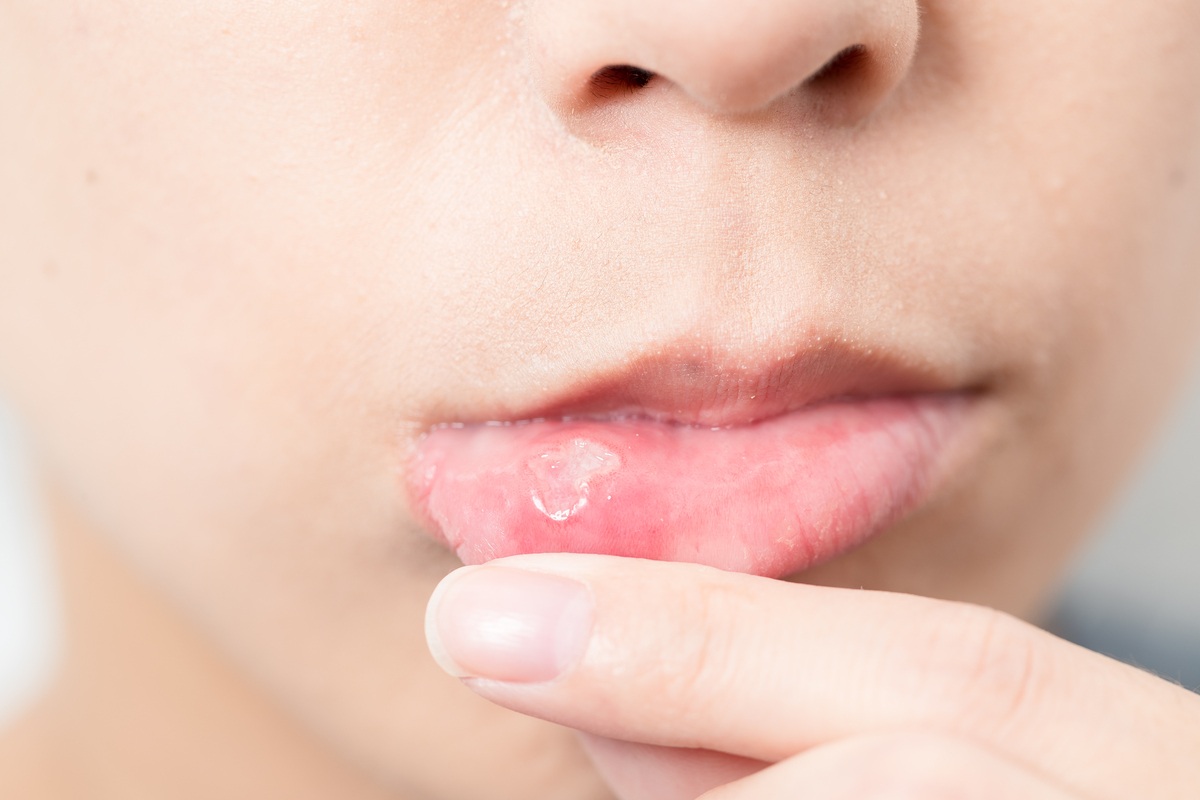
Canker sores typically appear as round or oval ulcers with a white or yellow center and a red border. They form inside the lips, cheeks, gums, or under the tongue. Unlike cold sores, they are not contagious and occur inside the mouth rather than on the lips.
While most resolve on their own within 1–2 weeks, they can cause real discomfort, especially during the first few days. Eating, brushing, and even talking may be painful for children. If your child experiences frequent or severe canker sores, it may be time to visit a family dental care near you for professional guidance and relief options.
Causes: Why Children Get Canker Sores
Canker sores often begin in childhood, and several factors can increase the likelihood of developing them. Knowing these triggers can help parents reduce flare-ups and support better oral comfort. Possible triggers in kids include:
- Minor irritation or injury inside the mouth (cheek biting, rough brushing, hard or sharp foods).
- Specific foods like citrus, tomatoes, spicy snacks, or overly acidic drinks can trigger sores.
- Emotional stress, school pressure, tiredness, or illness can also make kids more prone to mouth ulcers.
- Nutritional deficiencies are also associated with recurring canker sores or recurrent aphthous stomatitis (RAS), such as low levels of iron, vitamin B12, folate, or zinc.
- Genetics matter too. Children whose parents experience canker sores are more likely to develop them.
With causes covered, parents should also know what symptoms to watch for so they can help their child early.
Symptoms Parents Should Notice
Children don’t always express their discomfort clearly, so parents need to stay alert to subtle changes. Paying attention to these signs can help you catch a canker sore early and protect your child’s oral health and total wellness.
Watch for these indicators that a canker sore may be forming or already present:
- A small white or yellowish ulcer with a red border inside the cheeks, lips, or gums, often after a tingling or burning feeling before the sore appears.
- Pain or discomfort when eating, drinking, brushing teeth, or speaking
- Refusal to eat favorite foods or complaining of mouth pain
- Strange irritability, drooling, or avoiding certain foods (especially hard, crunchy, salty, or acidic ones)
If the sore lasts longer than two weeks, becomes unusually large, or appears frequently, it’s important to schedule a visit for an evaluation. Persistent ulcers can signal underlying issues that need attention. Once symptoms appear, parents naturally look for ways to bring fast relief, and there are safe steps you can take at home.
What Parents Can Do at Home
Canker sores can be painful and uncomfortable for children, but there are effective ways to help them feel better at home.
Helpful At-Home Immediate Relief Strategies
When a sore appears, try these child-safe remedies to ease pain and promote healing:
- Saltwater or mild rinse: Gently rinse the mouth 2-3 times daily with warm salt water or a mild non-alcohol mouthwash. This helps reduce irritation and cleanse the area.
- Soft, bland diet: Offer soft, non-spicy foods. Avoid acidic, crunchy, or salty foods that may irritate the ulcer.
- Gentle oral hygiene: Use a soft-bristle toothbrush. Avoid vigorous brushing near the sore.
- Topical soothing gels or ointments: Over-the-counter gels (check with your dentist first) may help reduce pain and speed healing.
- Ensure good hydration: Keep children drinking plenty of water to avoid dryness, which may irritate the sore further.
Remember, most minor canker sores heal on their own within 7-14 days without scarring. While home care can ease discomfort, some cases require a professional evaluation, especially if the sores are huge, painful, or recurring. Visiting a trusted dentist early not only ensures proper treatment but can also help kids overcome dental anxiety by making the experience calm, supportive, and positive.
When to Visit Indian Trail Dental Studio
Not all canker sores require an appointment, but some signs indicate professional care is the best next step. Call us if:
- The sore lasts longer than 14 days without signs of improvement;
- The ulcer grows in size, becomes unusually painful, or multiples form;
- Your child can’t eat or drink because of the pain; or
- For recurring sores (especially several times per year), we’ll check for nutritional or health-related causes.
Our priority is not only to relieve pain but to help prevent future ulcers and keep children comfortable and confident in their oral health.
What We Can Do For You
Our team provides gentle pediatric treatment and comfort-focused care, helping kids feel safe and supported throughout the visit.
- Perform a complete oral exam to rule out other conditions or infections
- Evaluate nutritional, immune, or oral-hygiene factors that may trigger recurrences
- Provide gentle pediatric-appropriate treatment (topical medication, protective gels, diet & hygiene guidance)
- Offer comfort-focused care to reduce anxiety and fear in children
At Indian Trail Dental Studio, we assess the ulcer carefully to rule out infections or other conditions. We also evaluate nutritional patterns and oral habits that may contribute to frequent sores.
Long-Term Prevention Tips for Children
Beyond treatment, parents often ask how to prevent recurring sores, and there are simple steps that help keep the mouth healthier and less prone to irritation. We recommend the following simple prevention tips:
- Encourage your child to brush gently and avoid biting the inside of their cheek.
- A balanced diet with iron-rich and vitamin-rich foods supports healthier oral tissues.
- Limiting acidic snacks and spicy foods can also reduce flare-ups.
- Choosing toothpaste without sodium lauryl sulfate (SLS) can help children who develop sores often, since SLS may irritate the mouth in sensitive individuals.
Prevention is a powerful tool. Small changes in diet and daily habits can reduce the frequency of canker sores. Moreover, consistent preventive habits and regular dental checkups can help prevent and reduce the severity of episodes.
Call Indian Trail Dental Studio for Pediatric Oral Pain and Sores
Canker sores are common and usually not serious, but they can disrupt daily routines and cause unnecessary discomfort. Understanding the causes, symptoms, and safe home remedies helps parents respond quickly and confidently.
If your child is experiencing pain or recurring mouth ulcers, or if a sore isn’t healing as expected, contact Indian Trail Dental Studio today. We provide gentle pediatric care, modern diagnostics, and trusted guidance for families in Indian Trail, NC. Parents choose us for our child-friendly approach, calm environment, and commitment to helping kids feel comfortable and cared for at every visit.
FAQ: Canker Sores in Children
1. Are canker sores contagious?
No. Canker sores are not caused by bacteria or viruses and do not spread between children.
2. How long do Canker sores last in kids?
Most heal within 7–14 days. If they last longer, your child should be evaluated.
3. What foods should children avoid with a Canker sore?
Avoid citrus, tomatoes, spicy snacks, and salty or crunchy foods until the ulcer heals.
4. What if my child gets them often?
Recurring sores may relate to diet, stress, brushing habits, or nutritional deficiencies. We can help determine the cause and recommend a plan.