
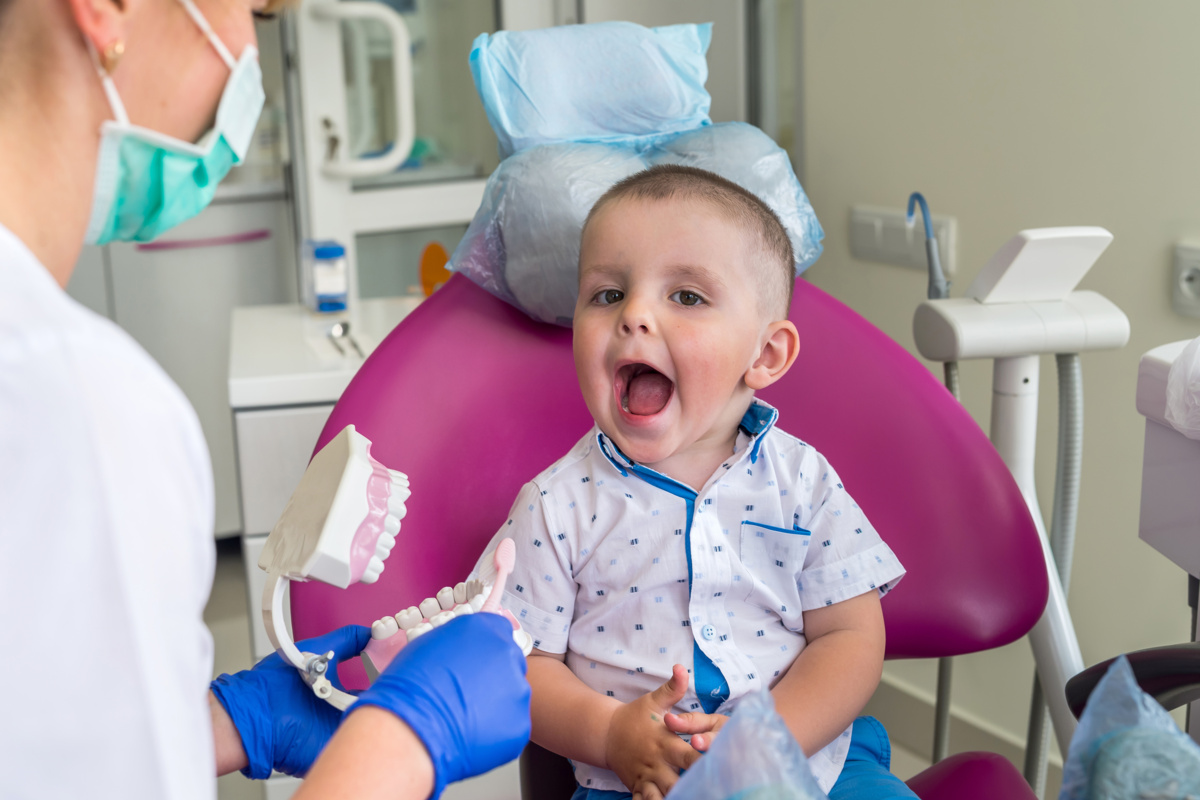
That first tiny tooth peeking through your baby’s gums is an exciting milestone. But many parents are surprised to learn how much those small teeth matter, and how early children’s dental care should begin.
Although baby teeth eventually fall out, they play a critical role in speech development, nutrition, and guiding permanent teeth into place. Understanding a few essential baby teeth facts can help you protect your child’s smile from the very beginning.
Baby Teeth Play a Bigger Role Than Many Parents Realize
It’s easy to think of primary teeth as temporary because they eventually fall out. However, baby teeth are essential for proper chewing, speech development, facial growth, and guiding permanent teeth into position. Children generally develop a full set of 20 primary teeth by age 3, highlighting the importance of early dental care for their developing smiles.
Because these teeth serve as placeholders for adult teeth and support early development, protecting them from decay is critical. Even though they are temporary, their impact on your child’s long-term oral health is lasting.
1. Baby Teeth Actually Form Before Birth
Primary teeth begin forming during pregnancy, and their development is influenced by maternal health and nutrition. This early formation highlights how closely oral health connects to overall development.
Emerging research from the Forsyth Institute suggests that primary teeth can even record biological markers related to early-life stress exposure. While research in this area is ongoing, it reinforces the idea that baby teeth are biologically significant, not mere placeholders.
2. Baby Teeth Hold Space for Permanent Teeth
One of the most important roles of baby teeth is maintaining proper spacing for adult teeth. When a primary tooth is lost too early due to decay or trauma, neighboring teeth may shift into the empty space.
This shifting can create crowding or alignment issues when permanent teeth erupt. Preserving baby teeth whenever possible supports healthier long-term development and may reduce the need for future orthodontic intervention.
3. Cavities in Baby Teeth Matter More Than You Think
Some parents assume cavities in baby teeth are not serious because those teeth will eventually fall out. However, untreated decay can cause pain, infection, and difficulty eating or speaking.
Early dental cavities may also increase the risk of decay in permanent teeth. Establishing routine dental exams helps detect problems early and prevent discomfort before it escalates.
4. The First Dental Visit Should Happen by Age One
Many parents wait until preschool years to schedule a child’s first dental exam, but pediatric dental guidelines recommend an earlier visit. The American Academy of Pediatrics recommends that a child see a dentist by age 1 or within 6 months of the first tooth appearing.
This early appointment establishes a “dental home” and provides parents with personalized guidance about hygiene, fluoride, diet, and development. A pediatric dentist or a general family dentist experienced in children’s dental care can make the visit positive and reassuring.
5. Teething Symptoms Are Often Overestimated
Teething can cause mild irritability, drooling, and gum sensitivity. However, high fevers or severe illness are not typically caused solely by teething.
If your child develops significant symptoms, it is important not to assume teething is the sole cause. Consulting your child’s healthcare provider ensures appropriate evaluation and peace of mind.
6. Baby Teeth Can Reflect Early Developmental Factors
Recent research published in Frontiers in Oral Health suggests that early environmental factors, including maternal stress, may influence the timing of tooth eruption in infants.
Although this research is still developing, it highlights how primary teeth can reflect broader biological influences. Baby teeth are more than temporary structures; they are part of your child’s overall developmental story.
7. Early Positive Dental Experiences Shape Lifelong Habits
Children who begin dental visits early are more likely to feel comfortable in clinical settings. Positive early experiences help reduce dental anxiety and encourage consistent care throughout childhood and adolescence.
At Indian Trail Dental Studio, we support families seeking preventive care from a trusted general family dentist in Indian Trail, NC. Our family dental services in Indian Trail, NC, provide comprehensive care, allowing parents to access complete dental care in one place as their children grow. Establishing care early builds familiarity and reinforces healthy habits that last a lifetime.
Protect Your Baby’s Smile With Early Preventive Care
Understanding these essential baby teeth facts helps parents make informed decisions about their child’s oral health. Primary teeth play a vital role in development, and early attention can prevent future complications.
If your child has not yet had their first dental exam, scheduling a visit provides reassurance and guidance tailored to your family. At Indian Trail Dental Studio, we are here to support your child’s smile from the very first tooth onward. Contact Indian Trail Dental Studio today for your child’s first dental visit.