
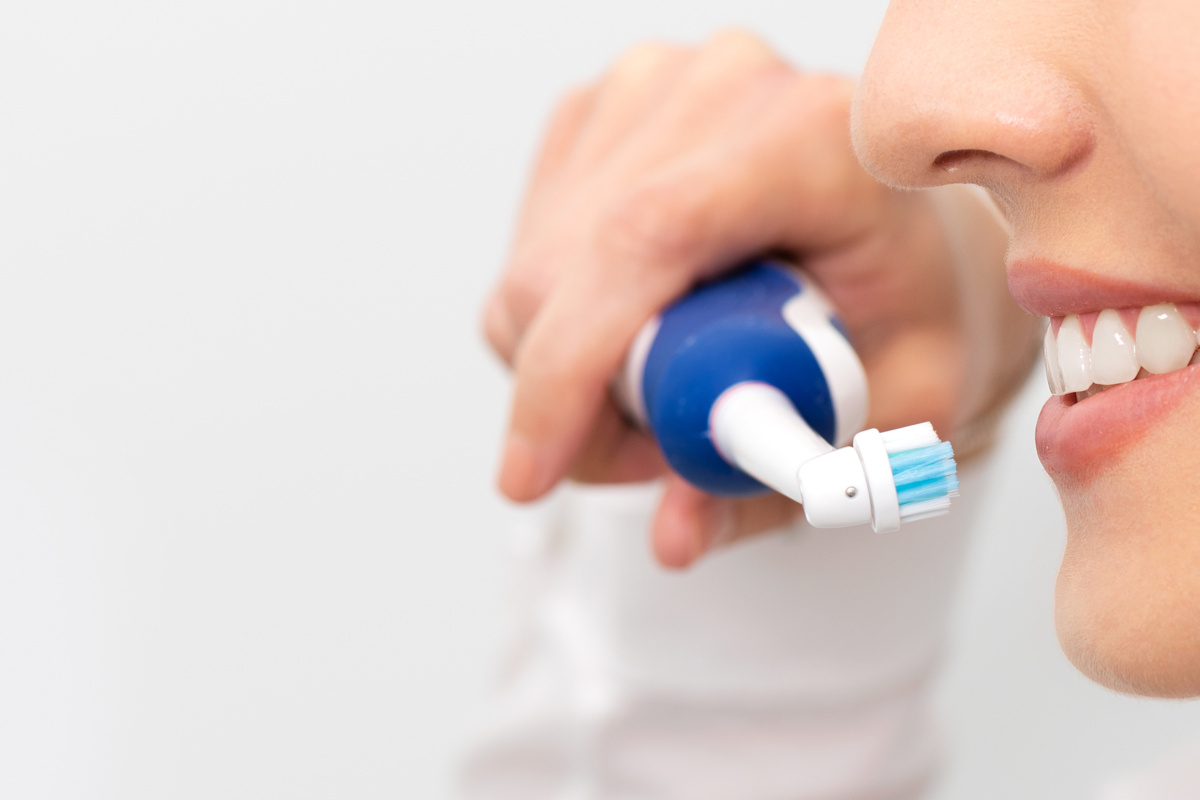
Many patients tell us they want to improve their brushing routine but aren’t sure whether upgrading to an electric toothbrush is worth it. With so many brushes marketed online, it can be difficult to know whether these devices truly offer better cleaning or if manual brushing works just as well.
Families in Indian Trail often ask which brush type is best for preventing cavities, reducing plaque, and maintaining gum health. Our goal is to provide a clear, research-supported guide so you can make the best choice for your oral health.
Why More People Are Curious About Electric Toothbrushes
The manual toothbrush has been a bathroom staple for generations, but recently, more and more people are turning their attention to the electric alternative. It seems nearly everyone, from your friends to your dental hygienist, has an opinion on making the switch. With advancements in dental technology and increased awareness of dental health, more people are curious about the benefits of electric toothbrushes. These modern devices promise enhanced cleaning capabilities and user-friendly features that traditional toothbrushes may lack. Moreover, they are often marketed as more effective in plaque removal and promoting oral health.
The interest in electric toothbrushes continues to grow, prompting questions about their effectiveness and advantages. This growing conversation isn’t just a fleeting trend; it reflects a genuine desire for improved oral health and a broader trend towards adopting advanced technologies for personal care.
What Science Says About Electric Toothbrushes
Studies comparing manual and powered brushes give us helpful insight into how each affects plaque, gum health, and long-term outcomes.
Research on Cleaning Effectiveness
According to a few clinical studies, electric toothbrushes consistently remove more plaque than manual brushes, especially when used twice daily.
- One review found that powered toothbrushes offer better plaque reduction and improved gingival health over time.
- Another study showed that oscillating-rotating brushes, in particular, provide statistically significant improvements in gum health compared to manual brushes.
Evidence suggests that powered brushes are more effective for many users, especially for reducing plaque buildup and gum inflammation.
Should You Switch to an Electric Toothbrush?
Many patients wonder whether upgrading to an electric toothbrush will truly improve their oral hygiene. The decision usually depends on how consistently and effectively you brush each day. Even with the best intentions, it’s common to miss certain areas or brush too quickly. An electric brush can help correct these habits by guiding your brushing and supporting better daily results, especially in preventing decay and debunking myths about cavities, like the idea that brushing harder cleans better..
Why Many People Benefit from Switching
Not everyone brushes with ideal technique, and even small inconsistencies can affect gum health. For many patients, a powered brush provides steady motion and consistent pressure, helping ensure that plaque is removed more effectively. This makes brushing easier for children who rush, adults with arthritis, and anyone who struggles to reach certain areas with a manual brush.
Switching can make a big improvement in daily hygiene for individuals who struggle with effective manual brushing and for patients who need extra support in their routine.
Who Benefits the Most from an Electric Toothbrush?
Electric brushes can be helpful for many people, but certain groups experience the greatest benefits. Ideal candidates for powered toothbrushes include:
- Children who rush brushing: Electric brushes help maintain consistent movement and often include timers that promote complete 2-minute brushing.
- Seniors or adults with arthritis: Reduced hand dexterity can make manual brushing difficult, and powered brushes require less physical effort.
- Orthodontic patients: Braces and aligners make cleaning more challenging. Electric brushes improve cleaning around brackets and wires.
- People with a history of gum disease: Studies show powered brushing can help reduce plaque and inflammation in patients at risk for periodontitis.
If any of these apply to you, switching to a powered brush may offer noticeable improvements in cleaning and comfort.
Can a Manual Toothbrush Still Work Well?
Yes. Manual brushing is effective when done correctly. The problem is that many people brush too quickly, apply too much pressure, or miss key areas. To brush effectively with a manual brush, follow these steps:
- Use gentle circular motions
- Angle the bristles toward the gumline
- Brush for at least two minutes
- Replace the brush every three months
Technique makes manual brushing effective, but electric brushes help remove guesswork and maintain consistency.
Choosing the Right Electric Toothbrush
Finding the right electric toothbrush can feel overwhelming, especially with so many models claiming to clean better, whiten faster, or “protect gums.” The truth is that you don’t need the most expensive device to get healthier teeth. What matters most is choosing a brush with features that support good brushing habits and protect your enamel and gums.
Before upgrading, it helps to understand which features make a real difference and which ones are simply nice extras.
Features That Actually Matter
Not all electric toothbrushes are created equal, and not every one is worth the investment. To get the best results for your oral health, look for these essential features:
- Soft bristles to effectively clean without scratching enamel or irritating the gums.
- Built-in two-minute timer to ensure complete brushing.
- A Pressure sensor to prevent brushing too hard, a common cause of gum recession and sensitivity.
- Oscillating or sonic technology, which is supported by research for improved plaque removal, especially along the gumline.
- Replaceable heads every 3 months, or sooner if visibly worn.
- Comfortable grip and size that feels good to hold encourage consistent use.
Choosing a toothbrush with the right features makes daily brushing easier and more effective, helping you maintain healthier gums and cleaner teeth with less effort.
How to Use an Electric Toothbrush Correctly
Whether oscillating or sonic, the technique is simple:
- Hold the brush at a 45-degree angle
- Let the brush glide tooth by tooth
- Do not scrub aggressively
- Spend at least 30 seconds per quadrant
An electric toothbrush does the work for you. Guiding it slowly and gently gives the best results.
What to Expect When Switching from Manual to Electric
Most patients notice differences within a few weeks:
- Less plaque along the gumline
- Reduced bleeding when brushing
- Better freshness throughout the day
- Improved gum comfort
- More consistent brushing due to built-in timers
A short adjustment period is normal as your gums adapt. After that, brushing typically feels easier and more effective. With consistent use, many patients see measurable improvements in their dental checkups.
Thinking of Upgrading Your Oral Care? Let Us Help You Choose and Use the Right Tools.

Electric toothbrushes provide strong evidence of improved plaque removal and better gum health. They offer predictable cleaning, ease of use, and features that support daily oral hygiene. Whether you choose manual or powered, brushing technique and consistency are what matter most.
To learn whether an electric toothbrush is right for you or to receive personalized hygiene guidance, contact Indian Trail Dental Studio today. We offer expert preventive care, modern technology, and trusted dental support for families throughout Indian Trail, NC.
FAQ About Electric Toothbrushes
1. Can electric toothbrushes damage gums?
Yes, only if you press too hard. Brushes with pressure sensors help prevent this.
2. Are electric toothbrushes safe for kids?
Yes. Many brands offer child-friendly versions with soft bristles and smaller heads.
3. Do electric brushes clean better than manual ones?
Research consistently shows they remove more plaque and improve gum health when used correctly.